Dental Publication / Article Details |
|
Workshop Guidelines on Immediate Loading in Implant Dentistry
Author(s):
Henry Salama, DMD;Edward Joseph Mills, DDS;Jack A. Hahn, DDS;Leonard Linkow, DDS, DMSc;Mohamed Sharawy, B.D.S., Ph.D.;Tiziano Testori, MD, DDS, FICD;Craig M Misch, DDS, MDS;Hom-Lay Wang, DDS, MSD, PhD;Carl E. Misch, DDS, MDS, Kenneth W. Judy, DDS, Jack E. Lemons, PhD, Jamie L. Lozada, DDS
Date Added:
1/1/2005
|
Summary:
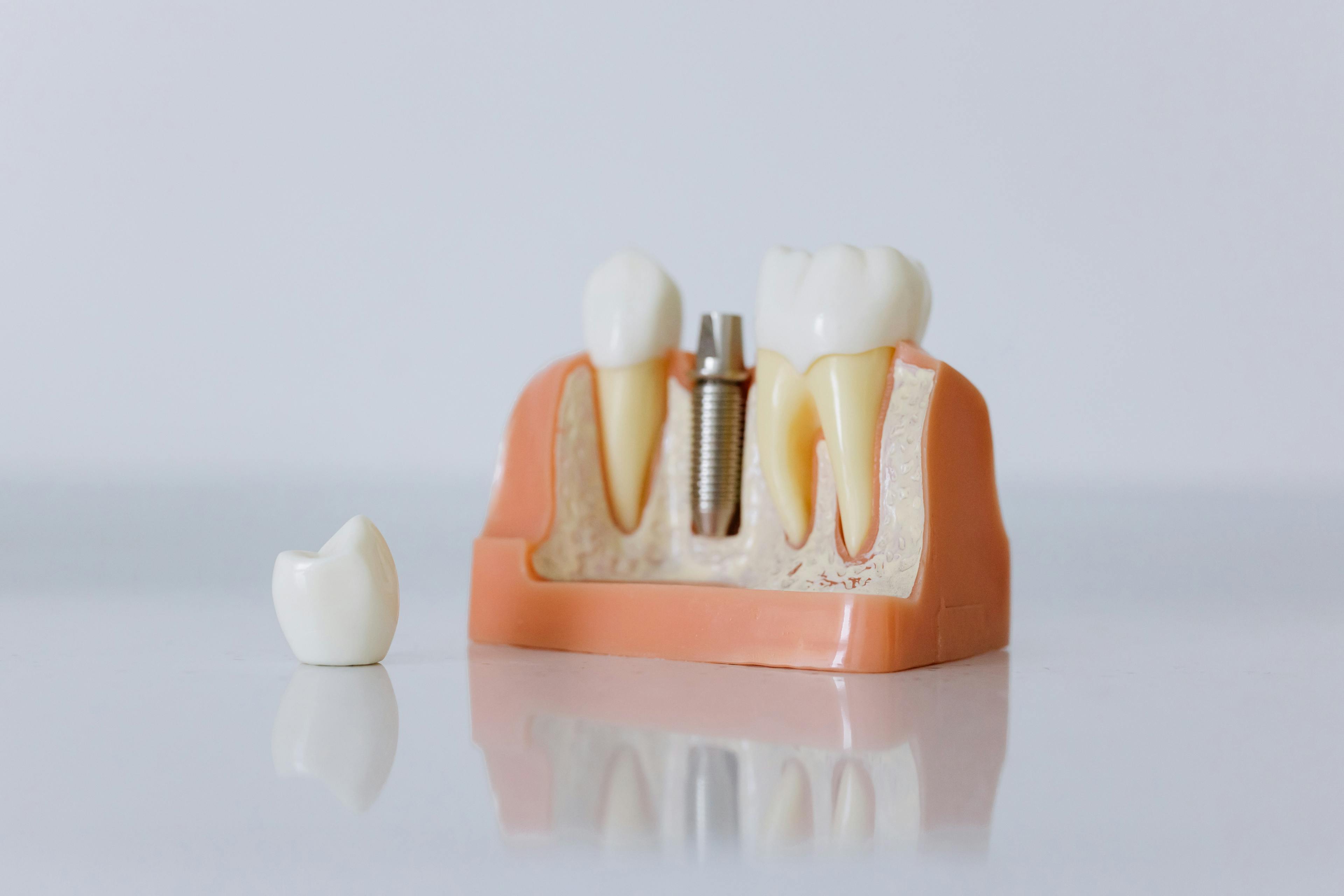
Predictable formation of a direct bone-to implant interface is a treatment goal in implant dentistry. The 2-stage surgical protocol established by Branemark et al to accomplish osseointegration consisted of several prerequisites, including (1) countersinking the implant below the crestal bone, (2) obtaining and maintaining a soft-tissue covering over the implant for 3 to 6 months, and (3) maintaining a minimally loaded implant environment for 3 to 6 months. The primary reasons cited for the submerged, countersunk, surgical approach to implant placement were (1) to reduce and minimize the risk of bacterial infection, (2) to prevent apical migration of the oral epithelium along the body of the implant, and (3) to minimize the risk of early implant loading during bone remodeling. After this procedure, a second-stage surgery was necessary to uncover these implants and place a prosthetic abutment. Predictable, long-term, clinical rigid fixation has been reported after this protocol in patients who were either completely or partially edentulous. During the past 15 years, several authors have reported that root-form implants may osseointegrate, even though the implants extend above the bone and through the soft tissues during early bone remodeling. This surgical approach has been called a 1-stage or nonsubmerged implant procedure because it eliminates the second-stage implant uncovery surgery. As a result, the discomfort, inconvenience, and appointments of the surgery and suture removal are eliminated. In addition, the soft tissue is more mature before fabricating a final prosthesis.
|
|
Related Articles |
|
|
|
|
Socket Preservation to Gain
Tooth loss not only poses difficulty in mastication, it also involves the probable resorption of alveolar bone due to a loss of function and stimulation from the periodontal ligament fibers (PDL). Bone grafting at the time of tooth removal provides bone quantity and quality for future placement of dental implant(s). The challenge during this procedure—referred to as socket preservation—is maintaining the graft in place as well as providing a final working area with sufficient keratinized tissue…
| Author(s): |
Lee H. Silverstein, DDS, MS, FACD, FICD;Peter C. Shatz, DDS |
|
View Article>>
|
|
|
|
Related Courses |
|
|
Immediate Implant Provisionalization: A Critical Aspect in Tissue Care and Esthetics-Part 2
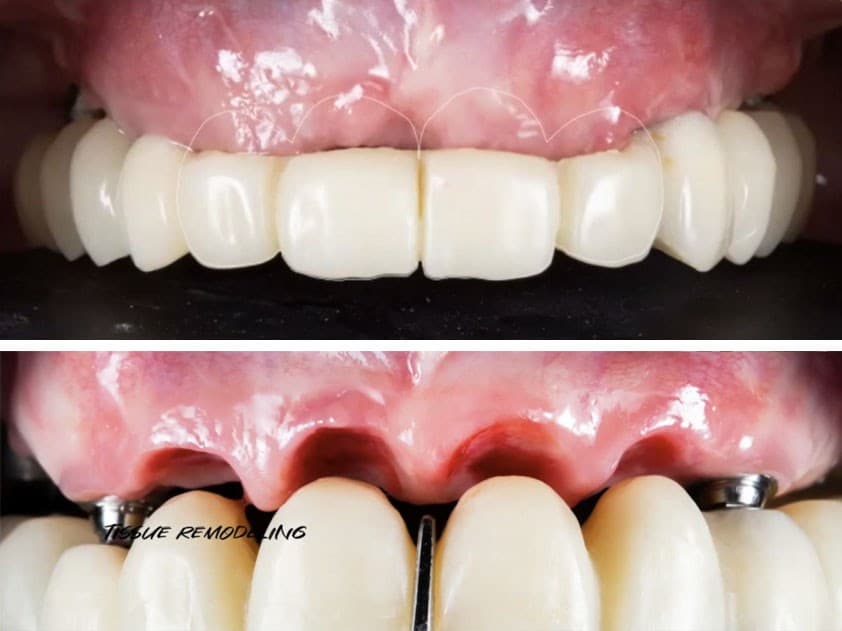
Tissue support, emergence profile and The provisional restoration phase of implant therapy has become one of the most critical steps in immediate or delayed placement for several reasons. A step-by-step protocol will be presented in how to fabricate the proper screw-retained provisional restoration from the fabrication of the acrylic shell to managing and capturing the proper supportive subgingival contour.
| Presented By: |
Stephen J. Chu, DMD, MSD, CDT |
| Presentation Style: |
Online Course |
| CE Hours: |
1 CEU (Continuing Education Unit) |
|
Watch Now>>
|
|
|
|
|
Controversies Surrounding Delayed vs. Immediate Implant Placement: Is There No Middle Ground?
This presentation looks critically at the literature and attempts to give clinicians a more flexible approach to immediate and delayed implant placement. Critical surgical guidelines and clinical pearls will be offered for both types of treatment as well as the management of some of the complications that may arise from immediate or delayed implant placement.
| Presented By: |
Howard Gluckman, BDS, MChD |
| Presentation Style: |
Online Course |
| CE Hours: |
1 CEU (Continuing Education Unit) |
|
Watch Now>>
|
|
|
|
|
Cad Cam Technologies to Restore a Case on Natural Dentition & Implant
Dr Agnini will describe various clinical options and techniques for efficiently and esthetically fabricating a temporary restoration immediately after implant placement in the replacement of a single tooth.
| Presented By: |
Alessandro Agnini, DMD;Andrea Mastrorosa Agnini, DDS;Luca Dondi |
| Presentation Style: |
Online Course |
| CE Hours: |
1 CEU (Continuing Education Unit) |
|
Watch Now>>
|
|
|
|
|