Video Details
|
The Aesthetic Practice - Part 2: Minimally Invasive Therapy
Description:
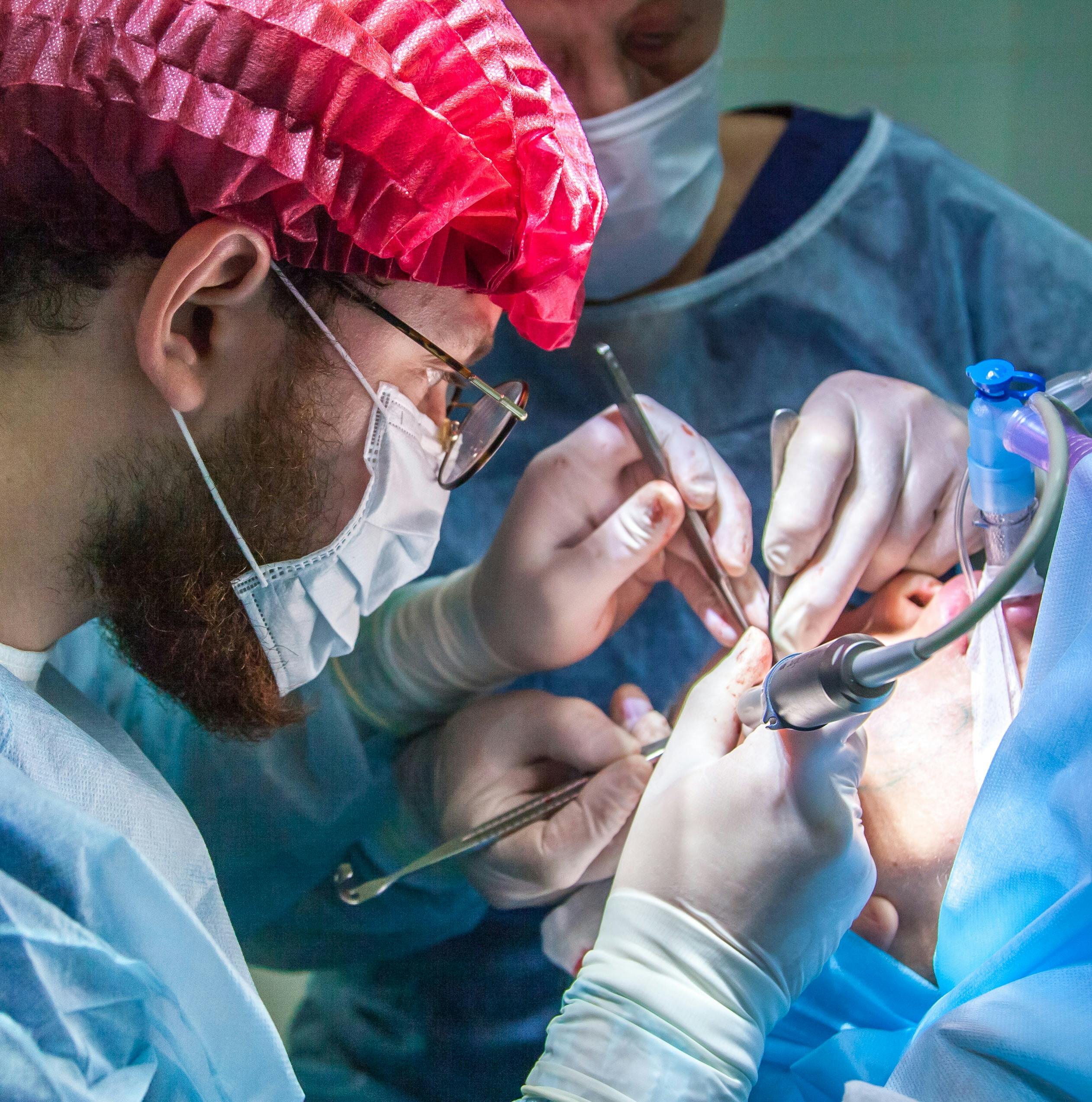
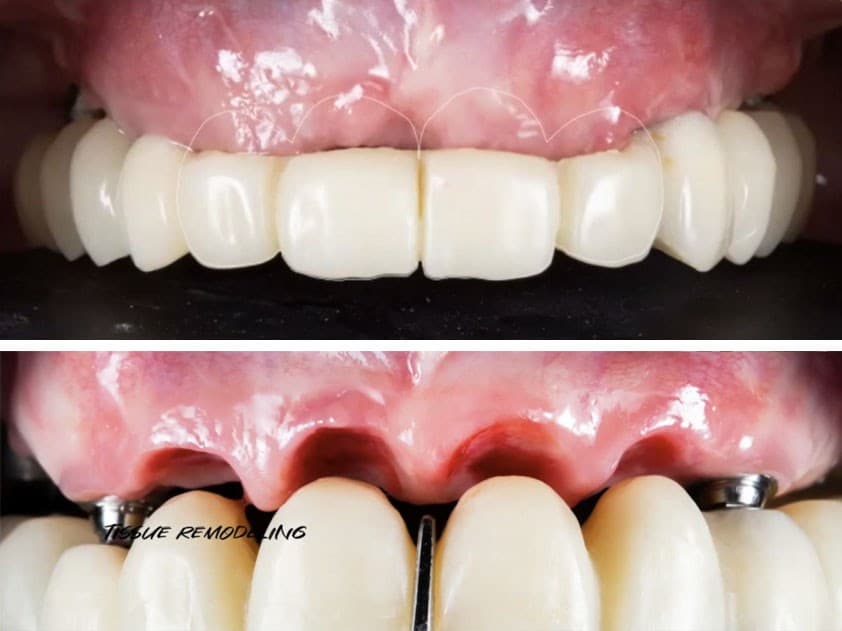
In part 2 of this Lecture series, renowned New York aesthetic dentist Dr. Larry Rosenthal outlines the various techniques that he utilizes in minimally invasive aesthetic therapy. Specifically and in great details, Dr. Rosenthal describes the rules of tooth preparation, enamelplasty, provisionalization and the delivery of veneer restorations.
Date Added:
1/12/2010
Author(s):
Larry Rosenthal, DDS, PC
Dr. Rosenthal Heads The Rosenthal Apa Group for Aesthetic Dentistry in New Yor...
[read more]
|
|
Online Videos / General / Practice Management / The Aesthetic Practice - Part 2: Minimally Invasive Therapy
|
Questions & Comments
|
Joao Paulo Montenegro Sousa Magalhães - (1/19/2010 3:11 PM)
One more splendid presentation of Dr.Rosenthal! I liked more when you try an answer for the question - «Luxury Vs Necessity??» We can say, also, we should start rehabilitate all the FUNCTION and then spend our motivation doing some DEAUTIFUL for the patient!
|
Related Videos |
|
|
The Aesthetic Practice - Part 1
Dr. Larry Rosenthal shares with us his philosophy on what it takes to become an aesthetically oriented dentist as well as how to develop an aesthetics based practice.
| Presented By: |
Larry Rosenthal, DDS, PC |
| Presentation Style: |
Lecture |
| Community Rating: |
|
|
Watch Now>>
|
|
|
|
|
|
Criteria for Success - Enhancing Your Practice
Rhonda Mullins, a practice development consultant, delivers very specific and concise advise to help clinicians create a practice they can be proud of.
| Presented By: |
Rhonda Mullins |
| Presentation Style: |
Lecture |
| Community Rating: |
|
|
Watch Now>>
|
|
|
|
|
|
Related Courses |
|
|
Esthetic Techniques and Materials
This presentation is a must for the dental team who is ready to go to the next level. The changes in the marketplace require us to communicate with our patients differently. It requires us to learn new procedures, learn to work with new materials, and have a higher level of communication with the dental laboratory. But mostly, it requires all members of the dental team to be aware of these new exciting times, and have the tools to build the practice of our dreams.
| Presented By: |
Shannon Pace Brinker, CDA, CDD |
| Presentation Style: |
Online Course |
| CE Hours: |
1 CEU (Continuing Education Unit) |
|
Watch Now>>
|
|
|
|
|
|
Related Articles |
|
|
|
Legal Considerations in the Use of Cone Beam Computer Tomography Imaging
Cone beam computed tomography imaging represents a paradigm shift for enhancing diagnosis and treatment planning. Questions regarding cone beam computed tomography's associated legal responsibility are addressed, including cone beam tomography necessity, recognition of pathosis in the scan's entire volume, adequate training, informed consent and/or refusal and current court status of cone bean computed tomography. Judicious selection and prudent use of cone beam computed tomography technology to protect and promote patient safety and efficacious treatment complies with the standard of care.
| Author(s): |
Edwin J Zinman, DDS, JD;DDS, JD; Stuart C. White, DDS, PHD; Sotirios Tetradis, DDS, PHD |
|
View Article>>
|
|
|
|
|
Ethics versus Legal Informed Consent— A Distinction with Little Difference
The core principles of dental ethics and legal standards of care have similar foundations. Both are dedicated to place the patient’s best interest as primary and the practitioner’s interest as secondary. Similarities between ethics and the law demonstrate that most often there may be distinctions but little core differences. Informed consent principles illustrate the comparison between dental ethics and the law.
|
|
|
|