Video Details
|
All-Ceramic Restorations: Capabilities and Limitations
Description:
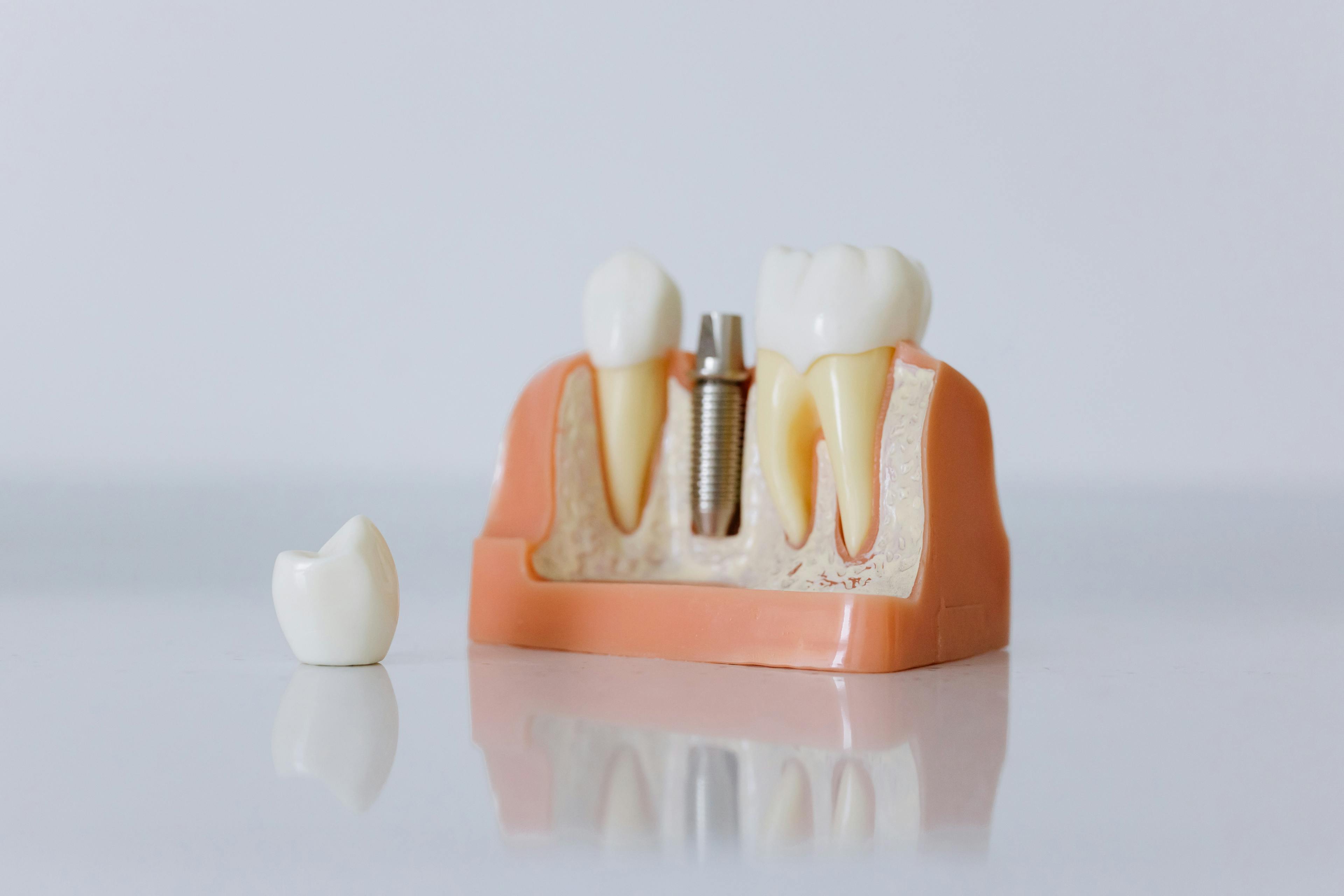
This lecture with Dr. Christian Stappert, an Assistant Professor at New York University, combines the science and art of restorative dentistry with the everyday clinical realities of having to decide what ceramic system to use for a specific application. This presentation offers specific recommendations and a take home message to help clinicians navigate the new ceramic landscape.
Date Added:
4/16/2010
Author(s):
Christian F.J. Stappert, DDS, MS, PhD, Priv-Doz
Dr. Christian Stappert earned his DDS (1993) and doctorate from the Johannes-Gutenberg-University Mainz, Germany (1996). After working as an Assistant Professor and researc...
[read more]
Other Author(s): Dr. Christian Stappert
|
|
Online Videos / Restorative / Crowns and Bridges / All-Ceramic Restorations: Capabilities and Limitations
|
Questions & Comments
|
FARHAN DURRANI492 - (1/15/2012 10:49 AM)
thank you for excellent presentation on ceramics
|
Joao Paulo Montenegro Sousa Magalhães - (4/18/2010 3:33 PM)
congratulations Dr Stappert! i hope you solved , and proved, the myth behind wich one is the most resistant material concerning alumina, MC and Zirconia. The truth is Zirconia is more elastic than the others. thank you
|
milind saudagar - (4/17/2010 11:40 PM)
simply superb presentation. i had asked this question a few days ago about which materials to use in prosthetic dentistry. most of my doubts are cleared. thanks a lot.
|
Related Videos |
|
|
Revisiting the Screw Retained Implant Supported Crown
How zirconium oxide has allowed clinicians to once again consider the screw retained option in esthetic implant supported crowns. Advantages of retrievability and avoidance of cementation problems are emphasized.
| Presented By: |
Bernard Touati, DDS, DSO |
| Presentation Style: |
Lecture |
| Community Rating: |
|
|
Watch Now>>
|
|
|
|
|
|
Related Courses |
|
|
|
The Art of Exquisite Anterior, Posterior, Single and Multiple Unit Provisionals
Provisional restorations have become a vital diagnostic and assessment tool to evaluate function color, shape, contour, occlusion, periodontal response, implant healing, and overall esthetics.With increased demands being placed on provisional restorations, new materials and techniques are being developed and some existing protocols are being refined to accomplish desired goals.
| Presented By: |
Shannon Pace Brinker, CDA, CDD |
| Presentation Style: |
Online Course |
| CE Hours: |
1 CEU (Continuing Education Unit) |
|
Watch Now>>
|
|
|
|
|
Related Articles |
|
|
|
Restorative Space Management: Treatment Planning & Clinical Considerations for Insufficient Space
In attempting to provide a restorative solution for cases that have been compromised by spatial considerations, clinicians have traditionally opted for an orthodontic approach that did not provide optimal aesthetics due to changes in tooth morphology, specifically tooth size and shape as a result of dental deterioration. With the advent of contemporary aesthetic materials and preparation techniques, clinicians and technicians are now empowered to deliver a penultimate result with minimal compromise to the surrounding dentition. This article presents the clinical and laboratory considerations that must be addressed when providing a prosthetic restoration for crowded teeth.
| Author(s): |
Stephen J. Chu, DMD, MSD, CDT;Jason Kim, CDT, MDT, Galip Gurel, DDS, George Cisneros, DMD |
|
View Article>>
|
|
|
|
|
A Biometric Approach to Predictable Treatment of Clinical Crown Discrepancies
Dental professionals have long been guided by mathematical principles when interpreting aesthetic and tooth proportions for their patients. While many acknowledge that such principles are merely launch points for a smile design or reconstructive procedure, their existence appears to indicate practitioners’ desire for predictable, objective, and reproducible means of achieving success in aesthetic dentistry. This article introduces innovative aesthetic measurement gauges as a means of objectively quantifying tooth size discrepancies and enabling the clinician to perform aesthetic restorative dentistry with success and predictability.
|
|
|
|