Video Details
|
Bone Putties for GBR and Ridge Augmentation: A review for the general practitioner - Part 1 of 2
Description:
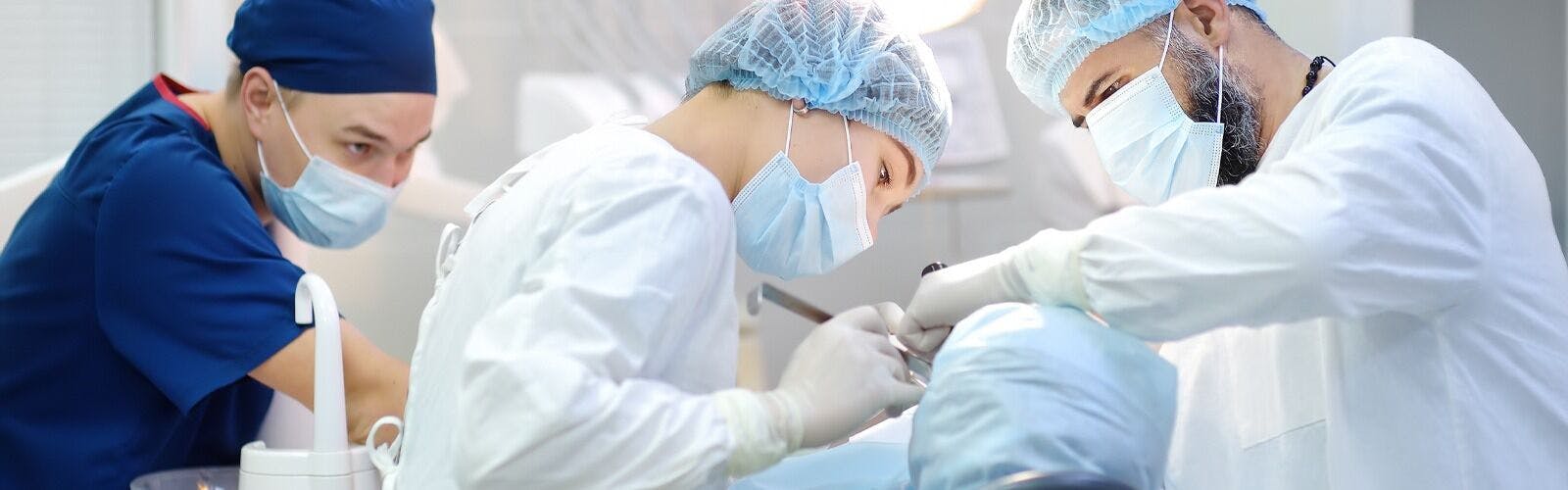
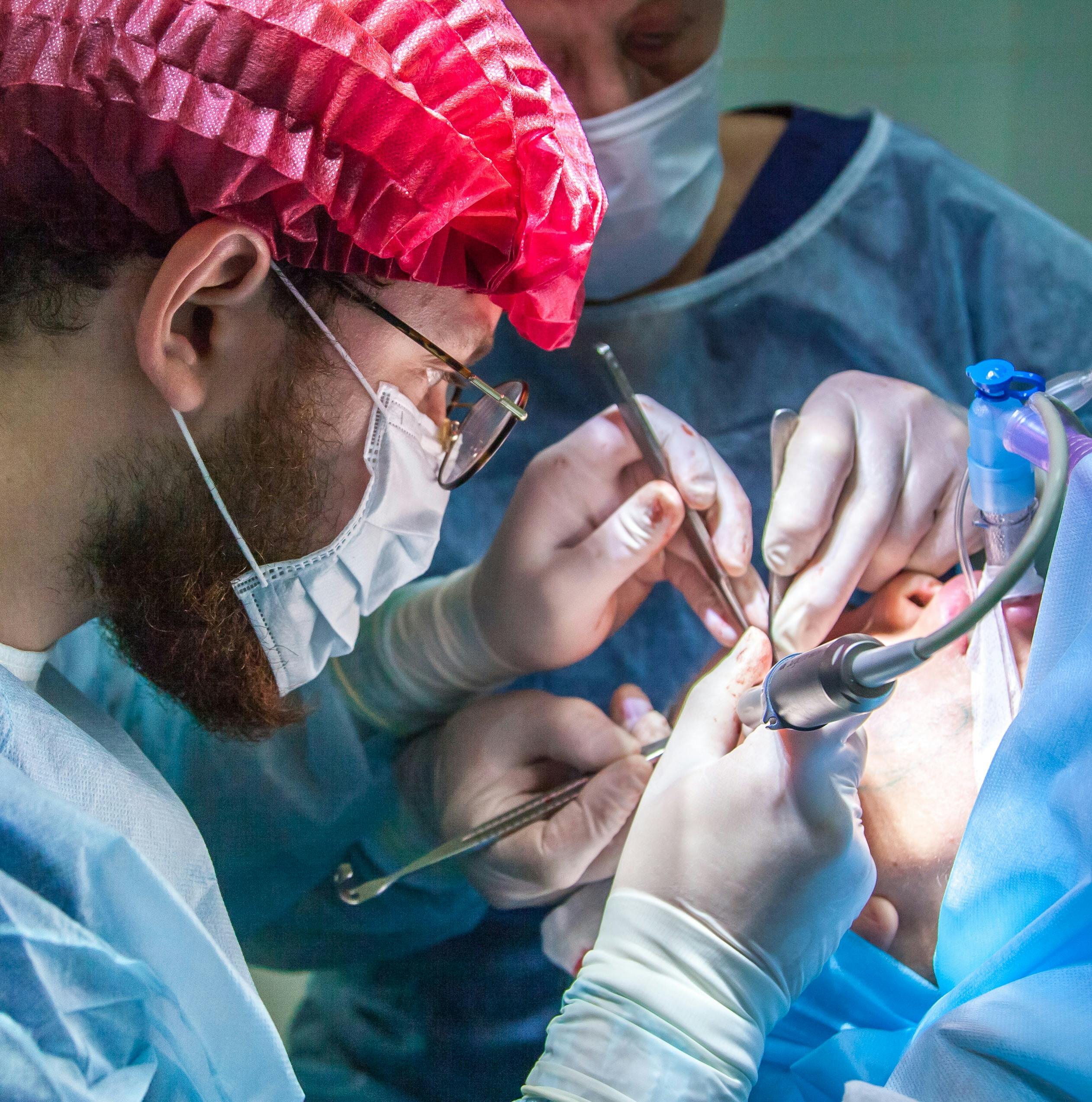
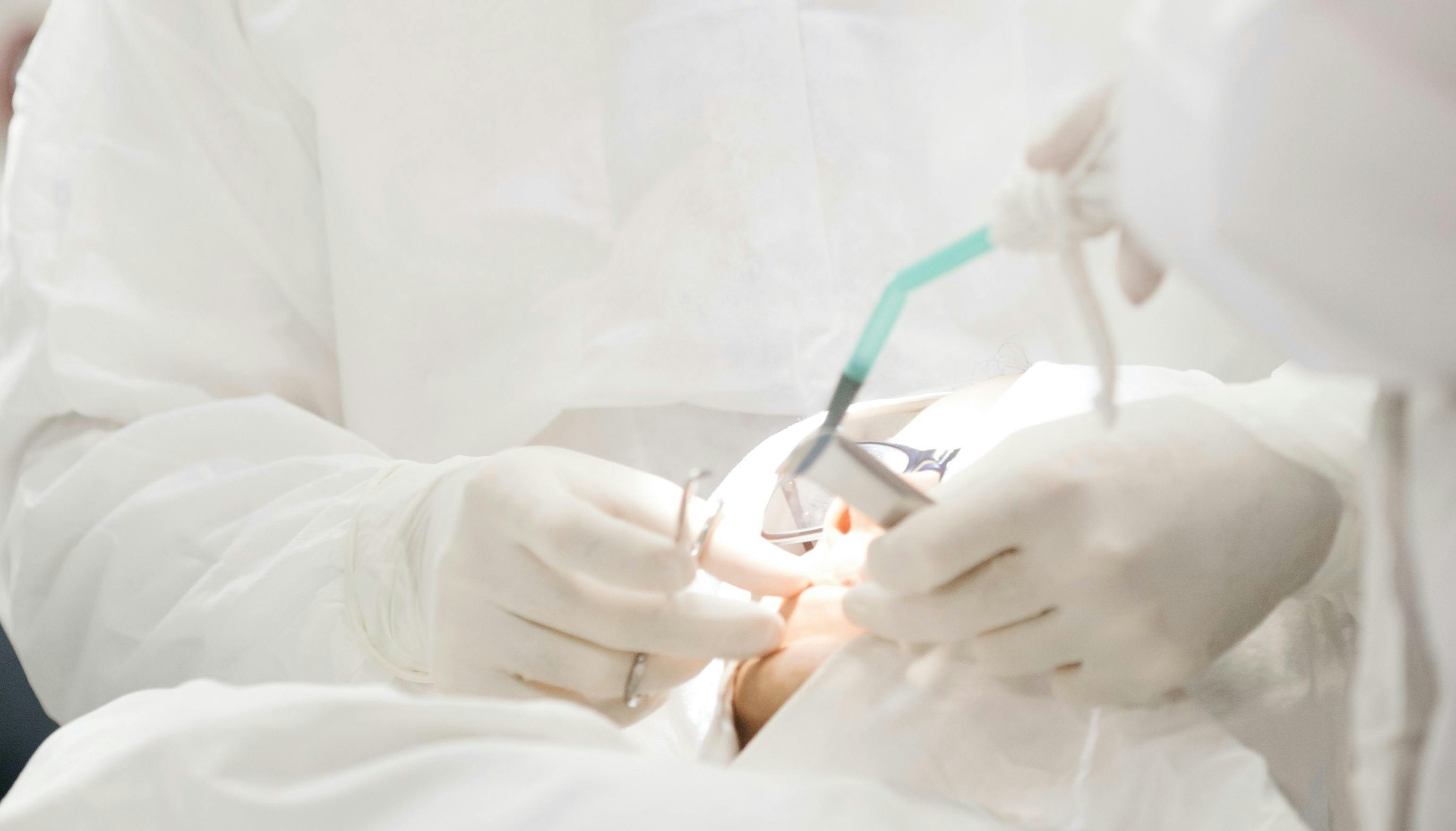
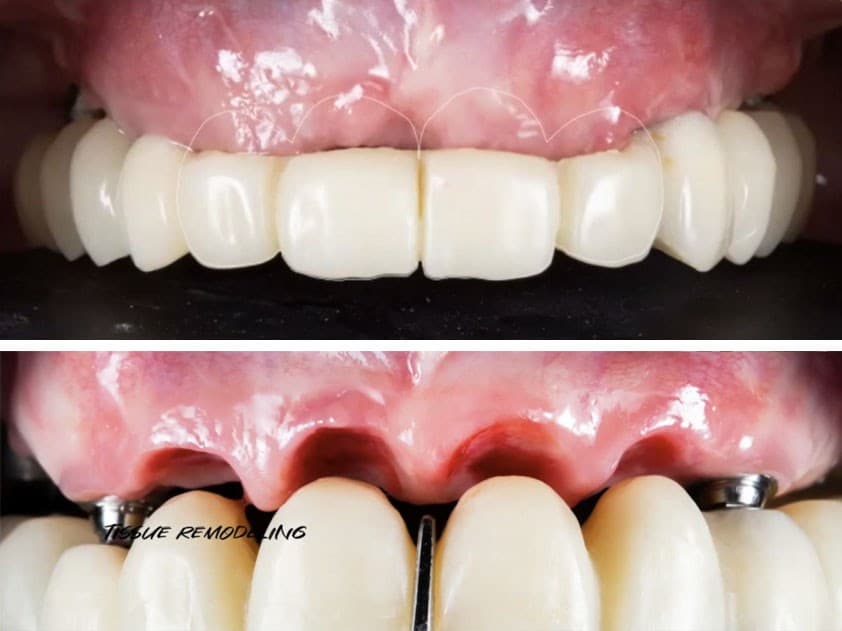
Utilizing surgical videos to enhance his lecture format, Dr. Michael Tischler reviews the utilization of bone allografts in putty form for guided bone regeneration, GBR, and ridge augmentation. Flap design, management and release are demonstrated in detail along with membrane utilization and suturing.
Date Added:
6/11/2012
Author(s):
Michael Tischler, DDS, FAGD
Dr. Michael Tischler is an internationally recognized leader in the dental field for his achievements in educating his colleagues through many lectures and over 25 published a...
[read more]
|
|
Online Videos / Surgery / Bone Grafting / Bone Putties for GBR and Ridge Augmentation: A review for the general practitioner - Part 1 of 2
|
Questions & Comments
|
Neil Berman - (9/4/2012 8:59 AM)
could you explain the deep mucosal-palatal suture for primary closure of the graft ? When is it placed and in what direction? Thanks
|
Neil Berman - (9/4/2012 8:49 AM)
good explanation of the technique
|
Michael Tischler - (7/30/2012 7:37 PM)
Susan Bernstein459 - (7/23/2012 1:45 PM)
Are you routinely using PDGF over a membrane? Have you seen noticeable difference in bone growth with vs without it?
Dr. Bernstein,
I use PRP or PDGF only in very demanding esthetic cases with poor tissue quality. With Regenform I don't often use a membrane at all due to it's density and inhibition of tissue invasion.
|
Michael Tischler - (7/30/2012 7:35 PM)
Hamad AlFahad - (7/4/2012 9:57 AM)
Dr. Tischler, thanks for the excellent presentation. I've been looking for the carbides for decorticating the bone. can you please provide me with the brand and bur number. I've been looking for over a year. Thank you in advance
Dr Al Fahad, I use a 1mmx6mm pointed bur or a very small round casrbide. Sorry for the delay.
|
Susan Bernstein459 - (7/23/2012 1:45 PM)
Are you routinely using PDGF over a membrane? Have you seen noticeable difference in bone growth with vs without it?
|
FARHAN DURRANI492 - (7/20/2012 9:12 PM)
allograft putty by zimmer i used it but ct images are confusing after six months that is after grafting ,what pics should you see whether it should be totally radiopaque?
|
Hamad AlFahad - (7/4/2012 9:57 AM)
Dr. Tischler, thanks for the excellent presentation. I've been looking for the carbides for decorticating the bone. can you please provide me with the brand and bur number. I've been looking for over a year.
Thank you in advance
|
Carlos Vivanco319 - (7/2/2012 11:39 PM)
Gracias Dr. Michael, muy ilustrativa su presentación.
|
Michael Tischler - (6/19/2012 4:45 PM)
Dr. Potocsky
Yes I usually wait 3 months. If the bone is soft I will wait longer. 4-5
|
|
|
Related Courses |
|
|
Gaining Horizontal and Vertical Bone with Mineralized Bone Particulate, rh-BMP2 and Resorbable Ultrasonic-Applied Rigid Barriers
The use of titanium mesh has been well described, but so has the complications of removal and exposure. Bioresorbable barriers are now available which can be molded into any desired three-dimensional form, creating a rigid and resorbable construct that is secured to to the bone using ultrasonic energy. This unique solution has been successfully used to create the proper environment for both large lateral and vertical ridge augmentations for situations previously only treated with block grafting or distraction. Dr. Cummings will share his experience as well as the key soft tissue techniques that are critical for the success of any large augmentation.
| Presented By: |
Lewis C. Cummings, DDS, MS |
| Presentation Style: |
Online Course |
| CE Hours: |
1 CEU (Continuing Education Unit) |
|
Watch Now>>
|
|
|
|
|
Creative Next Generation Surgical Tools and Solutions for the Implant Practice
Modern Bone Grafting has become more predictable than ever before. Recent developments in CBCT 3D Diagnosis and the utilization of bioactive modifiers such as PRGF, PRF and BMP-2 have stimulated further advances in surgical techniques as well as a New Age Surgical Armamentarium to maximize the efficiencies and success of these sophisticated procedures.
| Presented By: |
Maurice Salama, DMD |
| Presentation Style: |
Online Course |
| CE Hours: |
1 CEU (Continuing Education Unit) |
|
Watch Now>>
|
|
|
|
|
Titanium Mesh and rhBMP-2 in Ridge Augmentation: Options and Limitations
There are several advantages to using titanium mesh for space maintenance including strength, ease of use, low cost and biocompatibility. This webinar will discuss the use of rhBMP-2 for managing horizontal and vertical bone deficiencies with various scaffolds.
| Presented By: |
Craig M Misch, DDS, MDS |
| Presentation Style: |
Online Course |
| CE Hours: |
1 CEU (Continuing Education Unit) |
|
Watch Now>>
|
|
|
|
Related Articles |
|
|
Alloplastic Bone Substitutes Around Dental Implants
The repair of osseous defects has been a goal in dentistry for many decades. Subsequently, within the last several years, there has been an emergence of a new class of materials in dentistry referred to as synthetic bone. Finding the ideal bone substitute material has been the goal of researchers for many years. In attempting to achieve this ideal material, dental practitioners have tried with varying degrees of success: autogenous and demineralized freeze-dried bone, allografts of plastic, carbon…
| Author(s): |
Lee H. Silverstein, DDS, MS, FACD, FICD;Lee M. Whitesides, DMD, MMSC |
|
View Article>>
|
|
|
|
|
Atrophic Posterior Maxillan and Mandible: Alveolar Ridge Reconstruction with Mandibular Block Autografts
Autogenous bone grafts have been used for many years for alveolar ridge augmentation and are still considered to be the gold standard for jaw reconstruction. The use of these grafts with osseointegrated implants was originally discussed by Brånemark et al., who used the iliac crest as the donor site. For repair of most localized alveolar defects, however, bone grafts from the mandible offer advantages over iliac crest grafts. These include the proximity of donor and recipient sites, convenient surgical access, decreased donor site morbidity and decreased cost. This article focuses on posterior maxillary and mandibular osseous augmentation in a staged approach for implant placement. Both horizontal and vertical deficiencies are addressed with the use of symphysis and ramus buccal shelf donor block bone via case presentations.
|
|
|
|
Peridontal Osseous Surgery and Root Resective Therapy
Historically, osseous surgery was performed to eliminate infected bone. Early in the 20th century clinicians realized that periodontally affected bone was not actually infected. Instead of an invasive bacterial infection, chronic inflammation was responsible for bone destruction. This finding changed the rationale for periodontal therapy and led to modern concepts of osseous surgery. Currently accepted approaches are based on guidelines, parameters, and definitions published by many highly respected…
| Author(s): |
Lee H. Silverstein, DDS, MS, FACD, FICD;David Kurtzman, Sidney H. Stein, Marc E. Moskowitz, Jerry J. Garnick |
|
View Article>>
|
|
|
|
|