Video Details
|
A Case of Missing Lateral Incisors Part 3
Description:
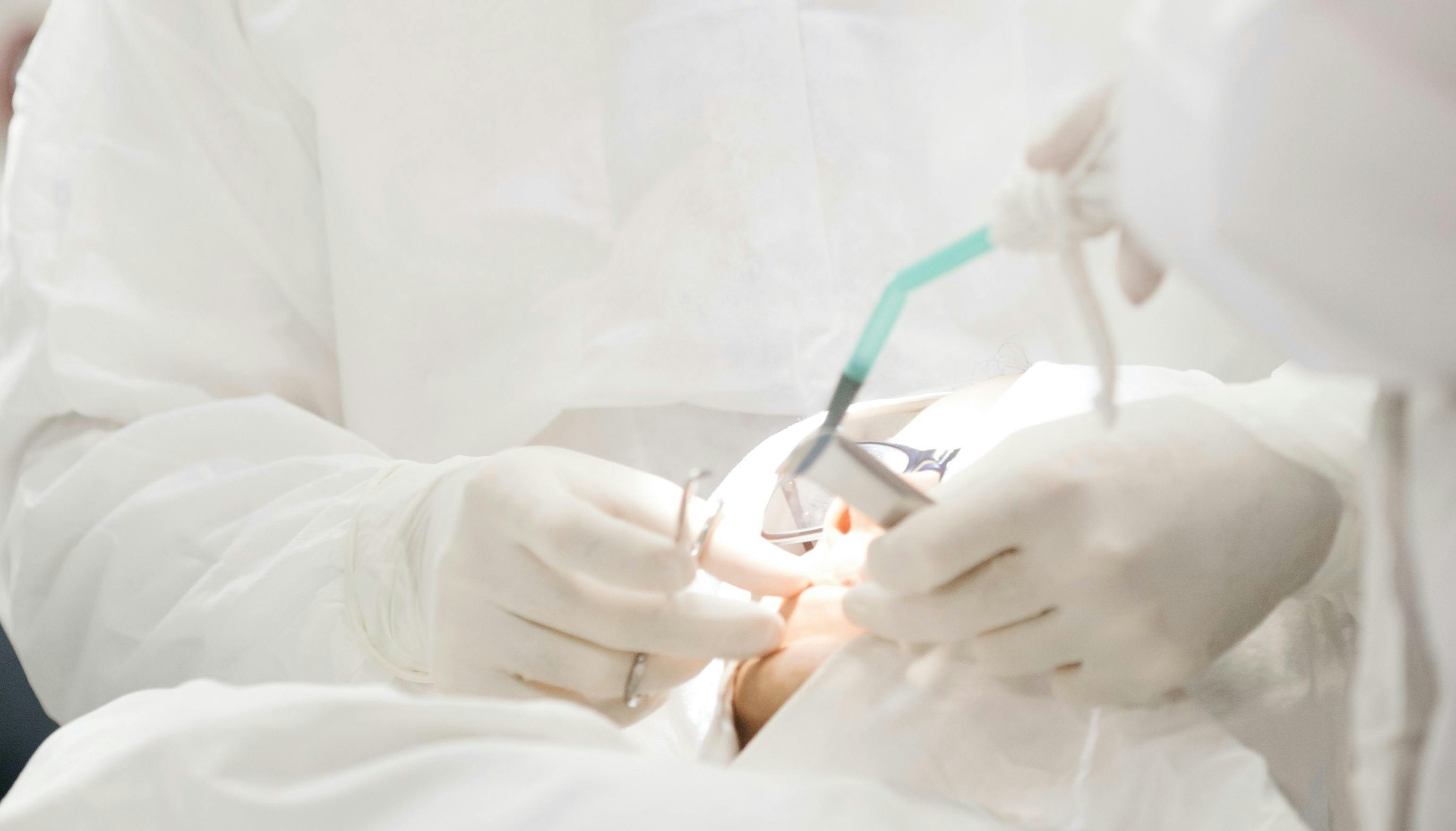
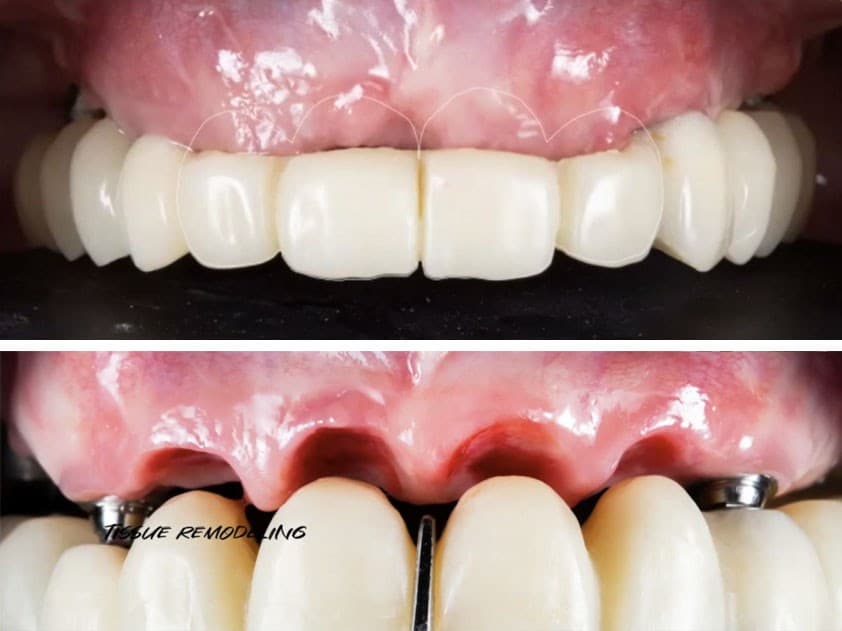
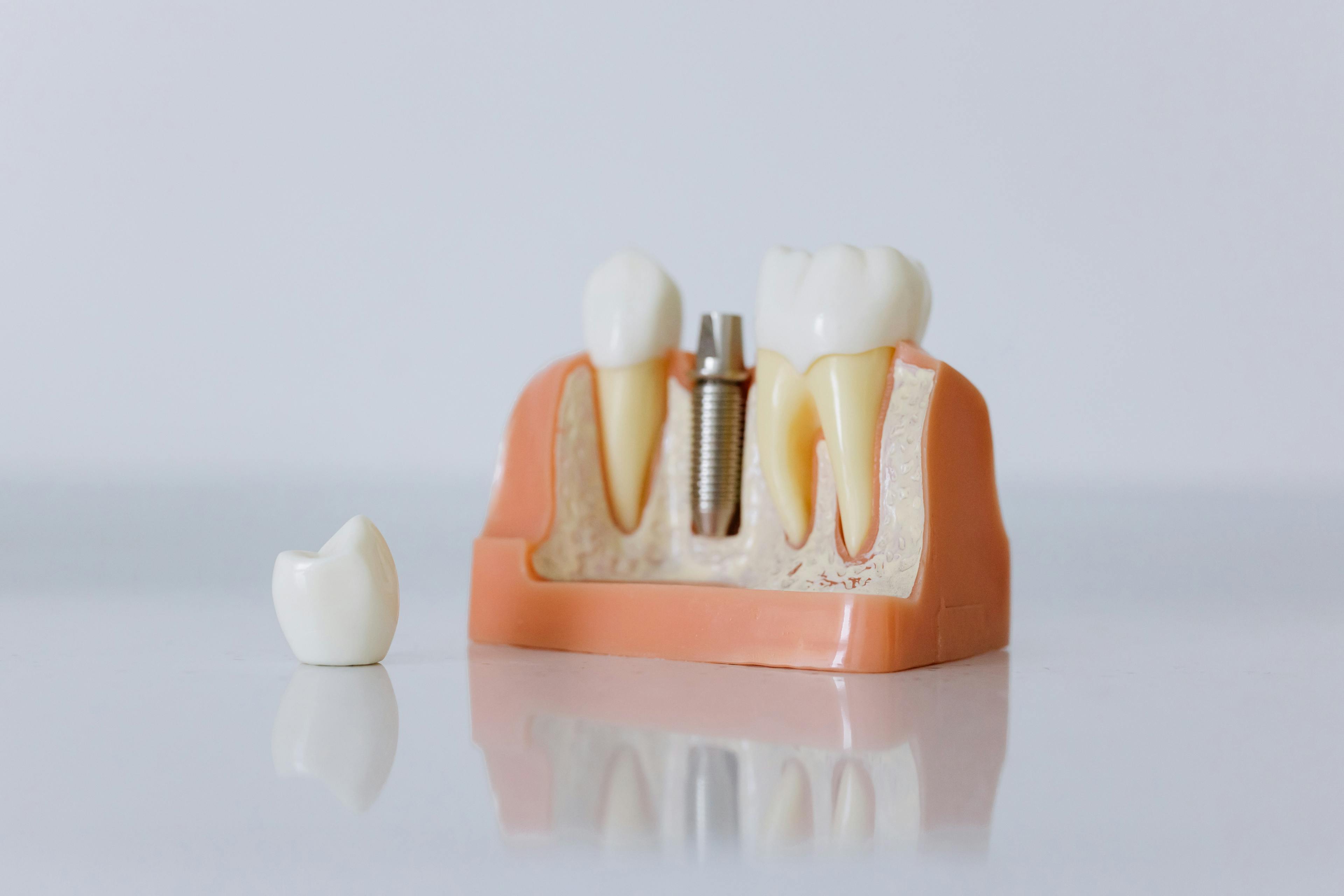
Part 3 of a 4 part series. A National Dental Network (NDN) video. Dr. Salama places implants in the area of congenitally missing lateral incisors in preparation for future restoration.
Date Added:
6/29/2007
Author(s):
Maurice Salama, DMD
Dr. Maurice A. Salama completed his undergraduate studies at the State University
of New York at Binghamton in 1985, where he received his BS in Biology. Dr. Salama
r...
[read more]
Other Author(s): Maurice Salama, DMD & David Garber, DMD
|
|
Online Videos / Surgery / Implant / A Case of Missing Lateral Incisors Part 3
|
Questions & Comments
|
Maurice Salama - (9/17/2009 8:11 AM)
Dr. Chan; Thanks for the post. I always try to avoid the roots when placing these tacks but since they have a small diameter and a length of roughly 1mm, it is likely that they only penetrate the labial plate and not the root or PDL. If inadvertent penetration of the root was slight it most probably would not have a negative implication as these tacks are then removed at re-entry a few months later. I have not yet seen a tooth become non-vital or a small perio lesion initiated by the use of these bone tacks. More likely problems with adjacent root contact would be an issue when using bone fixation screws which are much larger 1.6-2.0mm and have lengths of 6-12mm. Good luck Dr. Salama
|
e chan - (9/17/2009 3:21 AM)
Dear Dr. Salama,
I notice that the bone tacks are placed directly over the roots of the adjacent teeth, is the chance of injuring the adjacent roots totally negligible?
E Chan
|
Related Courses |
|
|
Optimizing Tissue Esthetics of Single Tooth Implants
With optimized planning, precise placement of the fixture, and the use of laser technology to reduce tissue trauma we can minimize the bone and tissue changes during the surgical phase. During the restorative phase creation of proper tissue contours using the CO2 laser and control of tooth form to position tissue set the stage for obtaining optimal esthetic results.
| Presented By: |
Lee Ann Brady, DMD |
| Presentation Style: |
Online Course |
| CE Hours: |
1 CEU (Continuing Education Unit) |
|
Watch Now>>
|
|
|
|
|
Alveolar Ridge Regenerative Strategies: Autogenous Bone vs BMP-2
This clinical based presentation will compare the use of autogenous bone vs BMP-2 for alveolar ridge reconstruction. The science, indications, advantages and disadvantages of each approach will be featured. Single tooth to full arch reconstruction cases will also be shown along with understanding the application of non-resorbable vs resorbable mesh barriers for alveolar ridge reconstruction.
| Presented By: |
Michael A Pikos, DDS |
| Presentation Style: |
Online Course |
| CE Hours: |
1 CEU (Continuing Education Unit) |
|
Watch Now>>
|
|
|
|
|
Tissue Engineering and Platelet Derived Growth Factors: Evidence Based Therapy
Platelet derived growth factors are now routinely utilized in reconstructive therapy. This presentation describes very detailed and evidence based guidelines for clinicians interested in enhancing their abilities in tissue engineering, especially as it relates to bone augmentation.
| Presented By: |
Joseph Choukroun, MD |
| Presentation Style: |
Online Course |
| CE Hours: |
1 |
|
Watch Now>>
|
|
|
|
Related Articles |
|
|
|
Replacement of a Mutilated Maxillary Incisor With a Single Implant Restoration: A Staged Implant
Patients are advised to maintain oral health in order to enjoy function and the natural appearance of their dentition for a lifetime. In the event that oral health becomes impaired, clinicians are capable of restoring it through either conservative or sophisticated treatment modalities. This treatment must be based on sound, rationalized clinical evidence and a clear understanding of the biological and physiological processes involved. Dental professionals must also acknowledge their personal limitations…
| Author(s): |
Nitzan Bichacho, DMD;Cobi J. Landsberg, DMD, Rafi Romano, DMD, MSD, Shlomi Silberstein, CDT |
|
View Article>>
|
|
|
|
|
Does residual cement around implant-supported restorations cause peri-implant disease? A retrospective case analysis
The purpose of this study was to determine the relationship between patients with a history of periodontitis and development of cement-related peri-implant disease. Seventy-seven patients with 129 implants for this retrospective analysis were selected from completed implant cases that were scheduled for regular maintenance or had experienced mechanical or biological complications between years 2006 and 2011 in private practice. Implants with extracoronal residual cement and implants without cement remnants were analyzed.
| Author(s): |
Tomas Linkevicius, DDS, Dip Pros, PhD; Algirdas Puisys; Egle Vindasiute; Laura Linkeviciene; Peteris Apse |
|
View Article>>
|
|
|
|
|