Video Details
|
Computer-Guided Occlusal Analyses in optimizing Occlusal Function - Part 2 of 3
Summary:
Dr. Robert Kerstein introduces the principles of utilizing computer-guided occlusal analyses to direct occlusal evaluation and adjustment in the optimization of occlusal function.
Description:
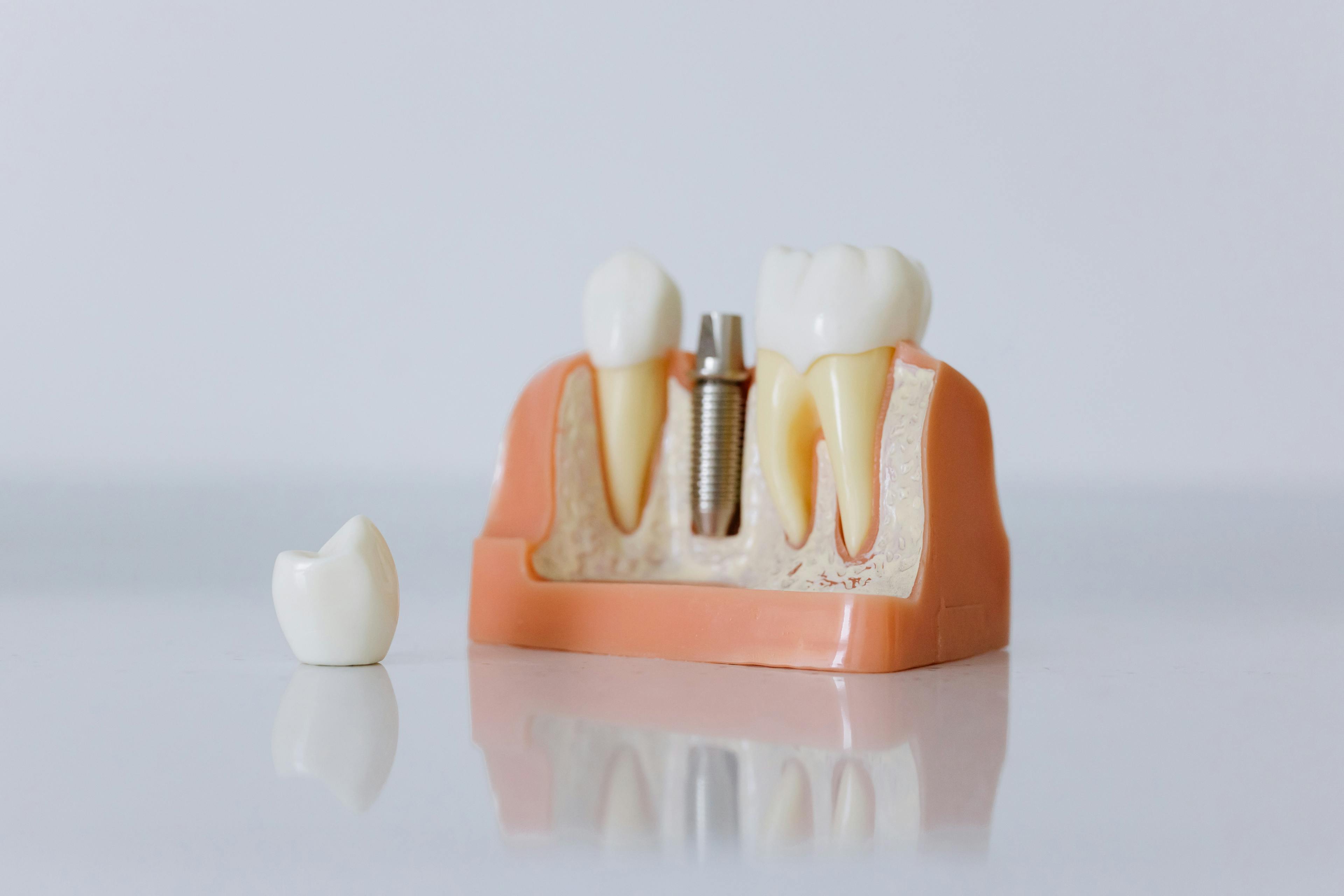
In this second of a 3 part series, Dr. Robert Kerstein introduces the principles of utilizing computer-guided occlusal analyses to direct occlusal evaluation and adjustment in the optimization of occlusal function. Part 2 focuses on force-mapping as well as applications in occlusal considerations in implant prosthodontics.
Date Added:
7/26/2010
Author(s):
Robert Kerstein, DMD
Robert B. Kerstein received his DMD degree in 1983, and his Prosthodontic Certificate in 1985, both from Tufts University School of Dental Medicine. From 1985 - 1998, he maint...
[read more]
Other Author(s):
|
|
Online Videos / Restorative / Crowns and Bridges / Computer-Guided Occlusal Analyses in optimizing Occlusal Function - Part 2 of 3

This online video, online lecture, or online course requires that your browser supports Javascript.
If you are sure that your browser supports Javascript, ensure that it is enabled, restart your browser, and then try again.
Related Videos |
|
|
|
|
All-Ceramic Restorations: Capabilities and Limitations
Dr. Christian Stappert combines the science and art of restorative dentistry with the everyday clinical realities of having to decide what ceramic system to use for a specific application.
| Presented By: |
Dr. Christian Stappert |
| Presentation Style: |
Lecture |
| Community Rating: |
|
|
Watch Now>>
|
|
|
|
|
Centric Relation in Everyday Dental Practice – Part 3
Dr. Jay Lerner gives an excellent clinically relevant outline on what is centric relation as well as specific guidelines for when and where it should be utilized to restore a dentition.
| Presented By: |
Jay M. Lerner, DDS |
| Presentation Style: |
Video |
| Community Rating: |
|
|
Watch Now>>
|
|
|
|
Related Courses |
|
|
Multidisciplinary Crowns & Bridges
A 5 part course worth 1 CEU.
| Presented By: |
Ernesto A. Lee, DMD; Stephen J. Chu, DMD, MSD, CDT; Michael Sonick, DMD; Pinhas Adar, MDT, CDT |
| Presentation Style: |
Online Course |
| CE Hours: |
1 CEU (Continuing Education Unit) |
|
Watch Now>>
|
|
|
|
Related Articles |
|
|
Controlled Restorative Treatment of Compromised Anterior Dentition
The aesthetic appearance of the maxillary anterior dentition is determined by the relationship between the shape, contour, color, position, and arrangement of the teeth to the healthy labial gingiva and the interdental papillae. When restoring the anterior dentition, the objective of a harmonious natural appearance of the teeth, surrounded by healthy soft tissue, should be achieved through a controlled predictable treatment protocol. In periodontally compromised teeth, the prognosis of each tooth…
|
|
|
|
Tissue Management for Aesthitc Success with Posterior Restorations
Due in part to the positive tissue response to metal-ceramic crowns fabricated with Captek™ substructures, clinicians can now provide an aesthetic restoration with healthy supporting periodontium for their patients. All indirect restorations, however, depend on an accurate impression of the preparation and proper tissue management throughout provisionalization. Even after careful tooth preparation, the restorative site often fills with blood, intracrevicular and intraoral fluids, and the delicate…
|
|
|
|
Aesthetic Enhancement of Pontic Sites for Fixed Partial Dentures
An adequate alveolar bone base is the prerequisite for functional and aesthetically optimal reconstruction of the soft tissue architecture for a fixed partial denture pontic site or dental implant site. If the horizontal and vertical dimensions of the ridge deficiency are within 3 mm of their original contour, acceptable results can he achieved by soft tissue augmentation procedure only, ie, connective tissue grafts, onlay grafts, or an inlay rolled graft. These procedures are usually performed…
| Author(s): |
Lee H. Silverstein, DDS, MS, FACD, FICD; Jack A. Hahn, DDS; David Kurtzman, DDS, Scott Harden, DMD, Peter C. Shatz, DDS |
|
View Article>>
|
|
|
|
|