Video Details
|
Direct Bonding Correction of Crowded Teeth
Description:
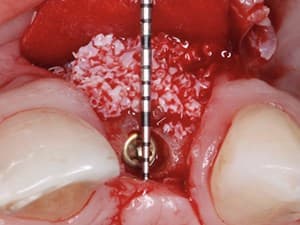
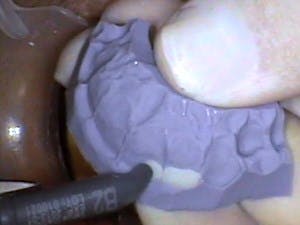
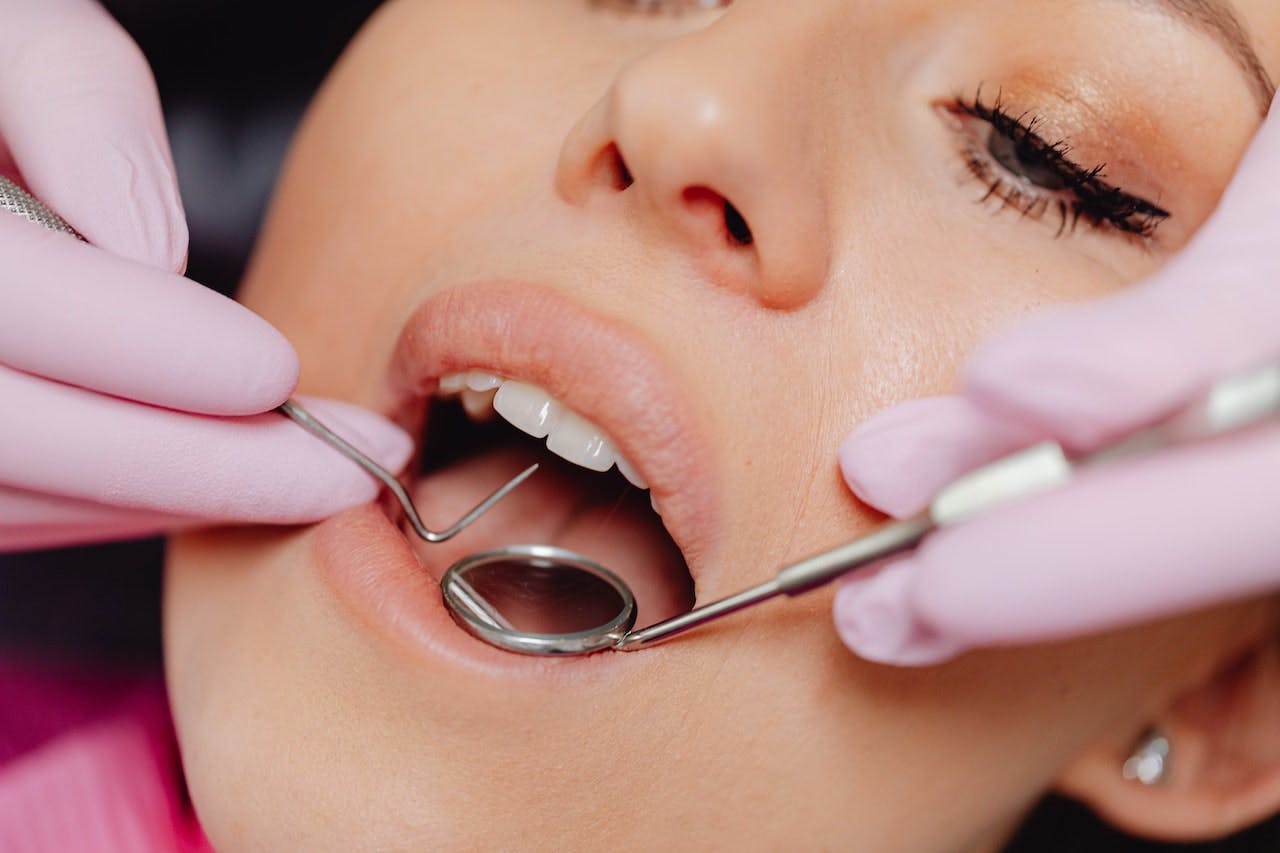
Dr. Goldstein shares a case where the patient suffers from very crowded teeth in the maxillary anterior region. He shows how using a study cast can make the result more predictable and how to use a simple technique for determining how much to reduce before bonding in a crowded tooth situation.
Date Added:
6/29/2007
Author(s):
Ronald Goldstein, DDS
Dr. Ronald Goldstein is currently Clinical Professor of Oral Rehabilitation at Georgia Regents University College of Dental Medicine in Augusta, Georgia, Adjunct Clinic...
[read more]
|
|
Online Videos / Restorative / Composite Resin / Direct Bonding Correction of Crowded Teeth
|
Questions & Comments
|
Ronald Goldstein - (7/21/2012 6:03 PM)
Here is the video I mentioned: Contouring & Mock Bonding Using a Diagnostic Model
It shows the technique that really helps when there is very much tooth reduction and you need to do it on a model first. this way you have a matrix and guide to the proper amount of cosmetic contouring.
|
Ronald Goldstein - (7/21/2012 6:00 PM)
Thanks, Haitham,
I will try to do that soon. Meanwhile I did a good case on DentalXP and will let you know which one it is later.
|
Haitham Alaa - (7/20/2012 12:34 PM)
Dr Ronald Goldstein Great work
Can you please pot a vedio on dentalxp showing demonstration step by step for
Waxing up -models & working on them -stents & guides
thanks
|
DR FARHAN DURRANI - (5/16/2010 1:47 AM)
little more details required how to use matrix before contouring,polishing ,how long will this kind of restoration last?
DR FARHAN DURRANI BDS ,MDS PHD INDIA
|
José Gouveia - (3/12/2010 12:34 PM)
thank you very much Dr. Goldstein!
|
Ronald Goldstein - (3/12/2010 7:54 AM)
Jose,
I always recommend that the patient wear a night guard to protect either bonding, porcelain veneers or crowns. I believe this is a necessary protection from grinding or clenching during sleep especially if the patient has a stressful dream. Therefore even if the patient says 'I don't clench or grind at night'...I feel it is in his or her best interest to have this added protection. In the event the patient refuses to get a night guard I write in the folder and let the patient know there will be no warrenty at all for the treatment.
Ronald
|
José Gouveia - (3/9/2010 6:09 PM)
Thank you very mucj for the fast answer Dr. Goldstein. It wat exactly what i needed to know. I would also like to know if you give any special recommendation to the pacient, after doing these kind of work ( for example, using a nightguard, or other kind of recommendations)
|
Ronald Goldstein - (3/8/2010 12:06 PM)
Good questions, Jose, ....The choice of whether to bond or use porcelain veneers is always a patient choice since most always we can do either technique. Direct bonding can last for many years but can stain depending on the material utilized, patient habits, and his or her metabolism. Whereas, porcelain will not stain, the lamininate can later appear darker due to possible 'bleed through' in time as the underlying abutment darkens. Also, cost is usually a determining factor for the patient with bonding being roughly 1/2 the cost of laminating with porcelain. Another factor in the decision making is the patient who is not completely positive that he or she will like the final result...bonding is reversible whereas porcelain laminates are not. I hope these remarks will answer your questions but if not please let me know and I will be happy to expand.
Ronald Goldstein
|
José Gouveia - (3/7/2010 5:05 PM)
Well done Dr. Goldstein. In the end i'm just wondering in which cases do you prefer direct bonding other than venners. It was the patient choice? it would not be recommended? I'm putting this question because sometimes i have questions either to propose a treatment with veneers or direct bonding.
|
|
|
Related Courses |
|
|
|
|
Composites in the 3D World - Ease, Strength and Beauty
Revisit skills in direct composite restorations such as layering with the aid of a matrix, which allows for a more ideal 3D undetectable restoration. Custom characterization and finishing and polishing will also be included.
| Presented By: |
Brian P. LeSage, DDS FAACD |
| Presentation Style: |
Online Course |
| CE Hours: |
1.5 CEU (Continuing Education Units) |
|
Watch Now>>
|
|
|
|
Related Articles |
|
|
The Centripetal Build-Up for Composite Resin Posterior Restorations
This paper introduces a new technique for creating Class II posterior composite restorations - the centripetal build-up. This technique replaces the lost tooth structure from the periphery towards the center of the cavity, thereby achieving better marginal adaptation to the gingival floor. Since overfilling is rare, rotary finishing is minimized. This method allows the creation of long-term aesthetic posterior composite restorations, while utilizing conventional auxiliary (ie, metal matrix bands…
|
|
|
|
|
|