Video Details
|
Immediate Implant Provisionalization - A Critical Aspect in Tissue Care and Esthetics-Part 1
Description:
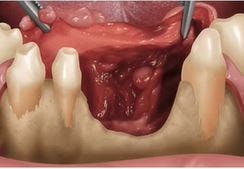
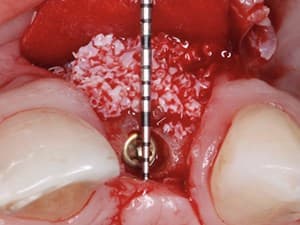
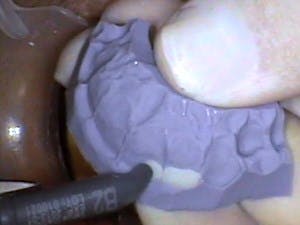
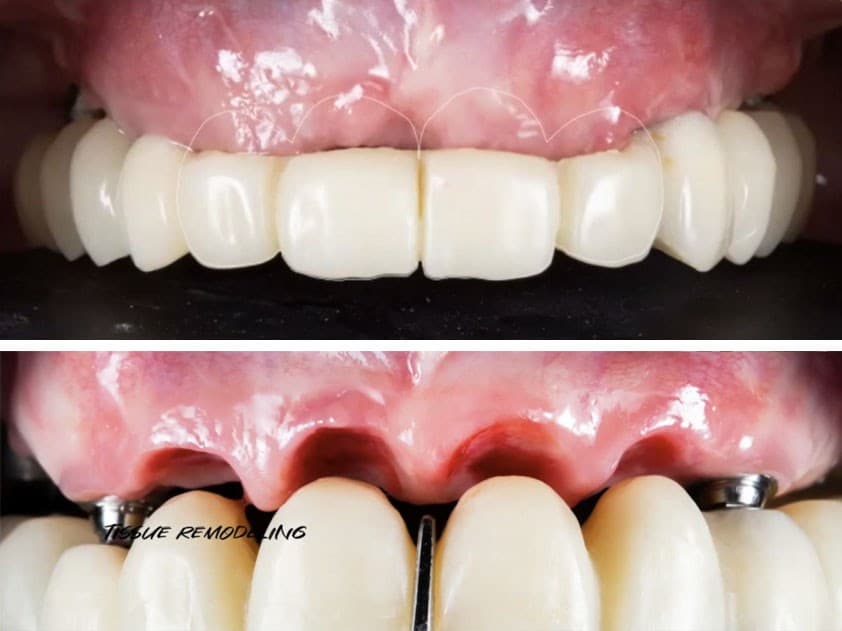
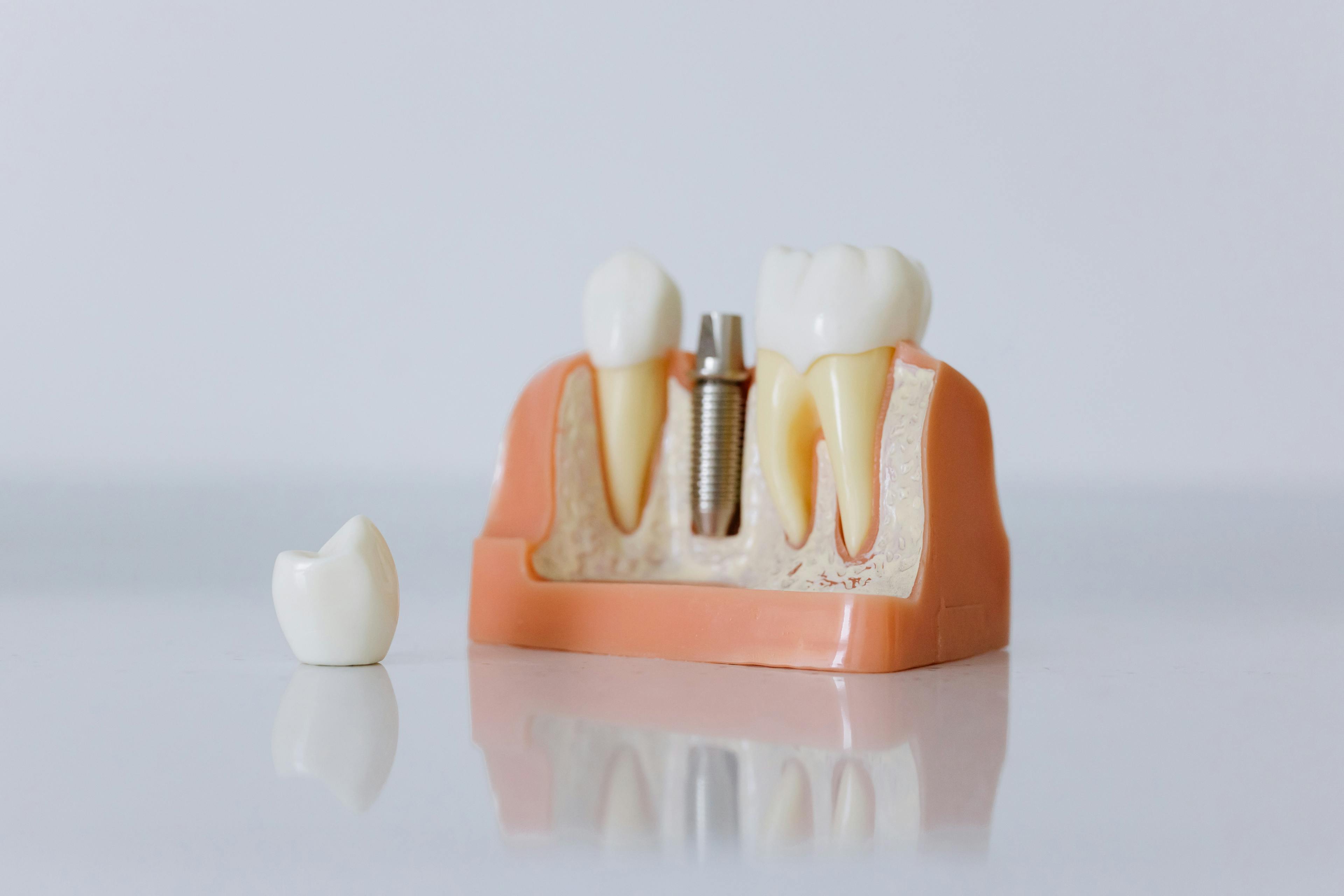
The management of the hopeless tooth or an edentulous span in the Estheitc Zone is amongst the most clinically demanding procedures in tooth replacement due to the demands of tissue preservation and patient management during the healing phase. As important as the implant surgical process in these areas is the role of the immediate provisional resotration. Tissue support, emergence profile and The provisional restoration phase of implant therapy has become one of the most critical steps in immediate or delayed placement. A step-by-step protocol will be presented in how to fabricate the proper screw-retained provisional restoration from the fabrication of the acrylic shell to managing and capturing the proper supportive subgingival contour.
Date Added:
8/31/2012
Author(s):
Stephen J. Chu, DMD, MSD, CDT
Dr. Stephen Chu received his doctoral degree from the University of Pennsylvania School of Dental Medicine in 1984 and his master’s degree in restorative dentistry and ...
[read more]
|
|
Online Videos / Surgery / Implant / Immediate Implant Provisionalization - A Critical Aspect in Tissue Care and Esthetics-Part 1
|
Questions & Comments
|
Maurice Salama - (6/1/2013 1:18 PM)
e chan; It Socket Shield only 1mm of labial portion of root left behind indefinitely. In "SRT" technique we leave behind the entire root 1mmm above the crestal bone and cover with Flap or CTG. The root canal can be filled with glass ionomer if already RCT treated or left VITAL without anything added to canal space. Good luck Dr. Salama
|
e chan - (5/31/2013 1:53 AM)
With the piece of the tooth that was left in socket shield technique, is it left in indefinitely after the implant is placed? Is the implant directly in contact with the piece of tooth in the coronal part? Just curious, not that i will use the technique at the moment. And with Dr Salama's root submergence technique, is the tooth root canal treated before submerging it? Any restoration over the top of the root before submerging it?
|
tareq rashdan - (1/5/2013 8:54 PM)
Yet another reason why Dental XP is an amazing forum
|
Bashar imran - (12/10/2012 2:13 PM)
Informative ,,excellent work .
|
Agnieszka Milbauer - (9/20/2012 7:53 AM)
One of the best lectures on Dental XP. Thank you Dr Chu.
|
Osama Abdel Qader - (9/18/2012 9:15 AM)
I enjoyed this study so much you approved very clearly that using BG with provisional will preserve the vertical tissue length you answer one of my big questions Thank you
|
SERGE MADHERE - (9/17/2012 10:02 PM)
Awesome presentation Dr. Chu. It was very informative.
|
John Zaki - (9/10/2012 8:47 AM)
Great and rich presentation dr. chu but let me get this straight , it is preferable to place a bone graft material around immediate implants to decrease the bucco-lingual collapse especially in aesthetic zone right ? also can we prevent the B-L collapse by using bioactive agents as BMP for example ?
|
michael Apa - (9/4/2012 1:37 PM)
great presentation...great development of points, great slides, great information...as always, very well done. ps-i may steal half of this presentation...picasso said "good artists copy, great artists steal" :)
|
|
|
Related Courses |
|
|
|
A Full Mouth Rehabilitation in Four Major Visits
Modern technology can dramatically cut the time and number of visits for a complex implant case while greatly improving the precision of the final result. The great advantage of the processes shown in this presentation is that the clinician retains full control of precision implant placement, emergence profile development and the construction and aesthetics of the final rehabilitation.
| Presented By: |
Peter Hunt, BDS, MSc, LDRCS Eng |
| Presentation Style: |
Online Course |
| CE Hours: |
1 CEU (Continuing Education Unit) |
|
Watch Now>>
|
|
|
|
|
|
All-On-Four Implant Protocol - Fad or Phenomena
This webinar with Dr. George Duello and Dr. Maurice Salma will discuss the various treatment options available today for this patient segment and emphasize when and where the All-On-Four protocol can be successfully utilized to eliminate the need for costly augmentation procedures and months of healing time.
| Presented By: |
George V. Duello, DDS, MS |
| Presentation Style: |
Online Course |
| CE Hours: |
1 CEU (Continuing Education Units) |
|
Watch Now>>
|
|
|
|
Related Articles |
|
|
Implant Aesthetic Score for Evaluating the Outcome
Implant restorations delivered according to the Brånemark protocol have proven to be highly predictable. To shorten the length of treatment associated with the Brånemark protocol, as well as to preserve soft and hard tissues, newer protocols have focused on reducing or even eliminating the time between tooth extraction and implant placement and between implant placement and prosthetic restoration delivery. The authors present a case in which control of postextraction implant placement, optimal implant…
| Author(s): |
Tiziano Testori, MD, DDS, FICD;Francesca Bianchi, DDS, Massimo Del Fabbro, BSc, PhD, Matteo Capelli, DDS, Francesco Zuffetti, MD, DDS, Ignazio Berlucchi, DDS, Silvio Tashieri, DDS, Luca Francetti, DDS, Roberto Ludovico Weinstein, MD, DDS |
|
View Article>>
|
|
|
|
|
CT Scan Technology
Implant dentistry, one of the most predictable treatment alternatives offered to patients who are missing teeth can be enhanced by thorough pre-surgical diagnosis and treatment planning efforts by all members of the implant team. Conventional radiologic techniques including periapical and panoramic radiographs are limited by the two dimensional interpretation of existing hard and soft tissue. The inherent distortion factor can misrepresent bone topography in critical areas associated with vital anatomy or potential implant sites. Advances in diagnostic radiological techniques improved with the introduction of CT scan technology for dental applications. The enhanced diagnostic range of this evolving technology empowers the clinician with necessary tools to avoid potential complications associated with implant dentistry.
|
|
|
|
Comprehensive Management of Implant Anchorage in the Multidisciplinary Patient
In recent years, dental implants have become an accepted method of replacing missing teeth. Today millions of implants are placed annually to rehabilitate and reestablish patients’ occlusions. However, in many of these individuals, the teeth may be in less than ideal position to accept the integration of single implants or groups of implants with the remaining teeth. Many of these patients could benefit from orthodontics to reposition malposed teeth to enhance the overall occlusal scheme. However,…
|
|
|
|