Video Details
|
Laser Assisted Cosmetic Dentistry - Part 2 of 2
Description:
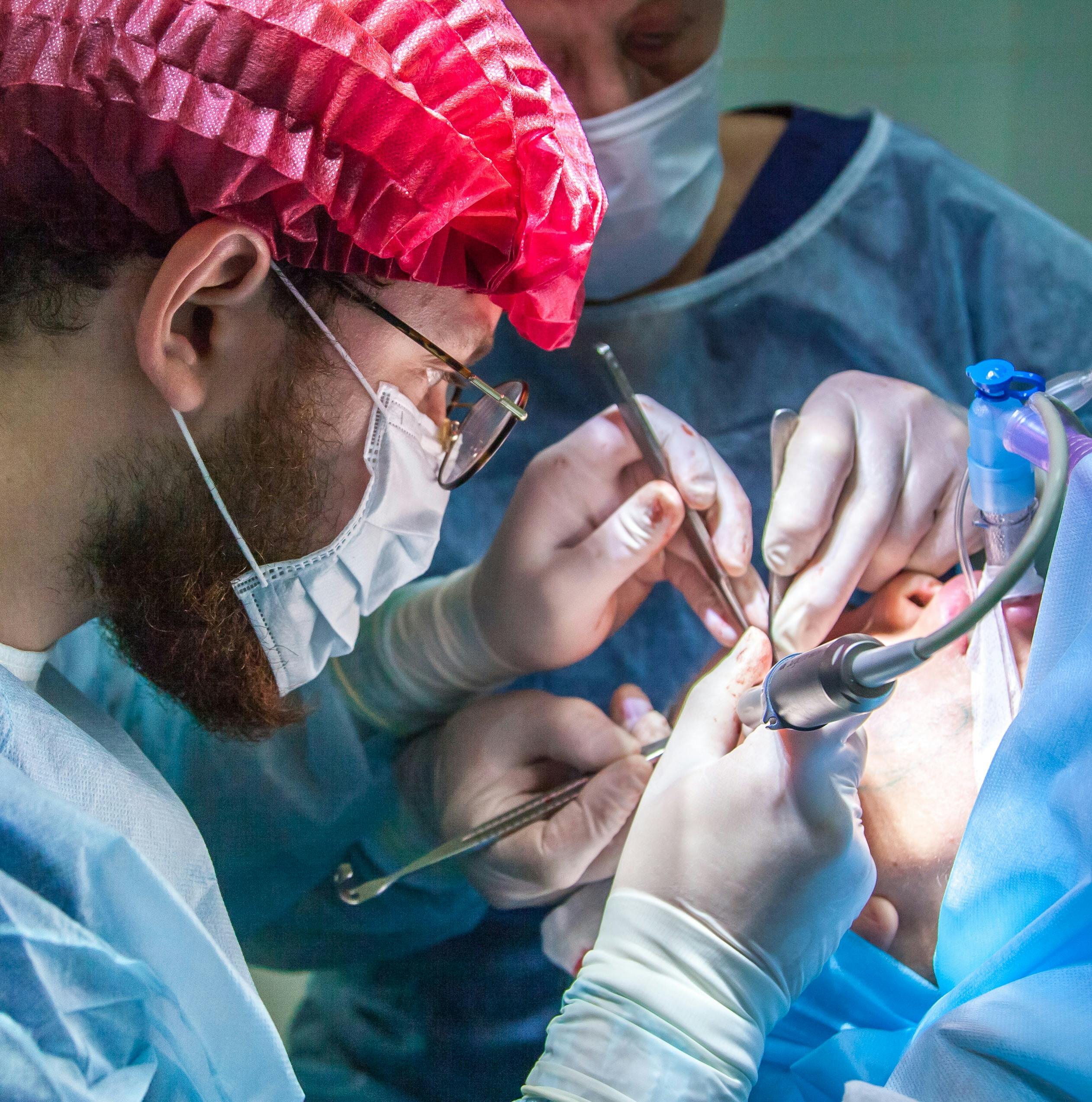
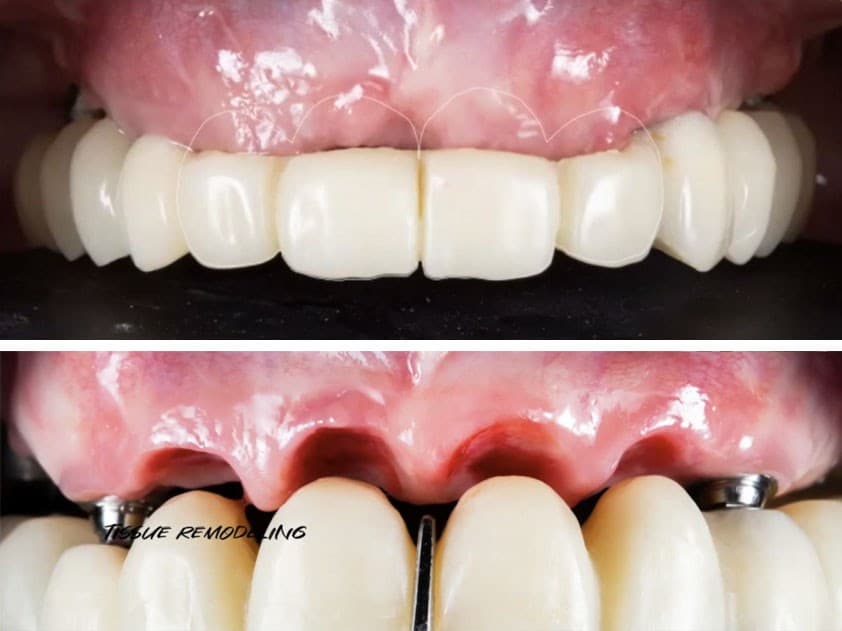
In this second of a two part series, Dr. Hugh Flax continues his outline of the uses and advantages of lasers in everyday clinical aesthetic dentistry. Here, Dr. Flax demonstrates the management of the gingival-esthetic restorative challenge in optimizing a patient's smile utilizing an Erbium hard/soft tissue laser. A clinical video demonstrates the use of the laser to perform a closed-flap gum lift and frenectomy to optimize tooth form and proportion in preparation of veneer restorations.
Date Added:
4/20/2011
Author(s):
Hugh Flax, DDS, PC
Dr. Hugh Flax received his DDS degree from Emory University in 1983 following undergraduate Phi Beta Kappa honors. While doing a residency he did Posterior Composites r...
[read more]
|
|
Online Videos / Restorative / Other Restorative / Laser Assisted Cosmetic Dentistry - Part 2 of 2
|
Questions & Comments
|
Bram Bonne - (4/28/2011 3:49 PM)
Dr Hugh
Thank you for sharing this interesting topic. I'm also in Lasers and looking forward offering esthetic closed flap bone recontouring to my patients.
I have a question regarding the removal of the frenulum during your presentation.
How does affect the removal of this frenulum on the future hight of smile line of the patient and how do you explain that before the treatment ? Thank you and looking forward,
Bram Bonne, Gent, Belgium
|
Related Videos |
|
|
|
|
Improving the Dentist/Technician Communication for optimum Smile Design and Ceramic Restorations
As modern dentists and dental technicians we need to keep abreast of the latest developments in dentistry and incorporate new techniques and materials into our armamentarium on an ongoing basis. Moreover, it is essential that all the team members participate proactively in the treatment planning process in order to ensure the best possible result for the benefit of the patient. Consequently, consistent interaction among the members of the dental team is required. Technicians should have a basic understanding of clinical procedures and the development of target-oriented communication protocols are essential prerequisites for a smooth workflow and the provision of high-quality service. Dentists should be aware that crucial treatment steps such as the diagnostic wax-up, the fabrication of the mock-up, shade selection, material selection, prep design, and the fabrication of temporary restorations, etc. can be greatly improved by taking into account the technician’s perspective.
| Presented By: |
Christian Coachman, DDS, CDT |
| Presentation Style: |
Video |
| Community Rating: |
|
|
Watch Now>>
|
|
|
|
|
Related Courses |
|
|
The Trial Smile Experience
Have you ever thought that if your patients only knew how much a smile makeover could enhance their faces, they would be interested in cosmetic dentistry? The Trial Smile Experience is an interactive exercise that demonstrates the facial improvement that your patients can expect to achieve, while building trust and eliminating their fear of the unknown. In addition, the model of the trial smile allows the clinician to communicate the esthetically driven aspects of the treatment plan to their technician and specialists. This tool is sure to create more cosmetic dentistry in your practice, and you will learn:
• When the Trial Smile Experience is most effective
• How to use digital photography for co-discovery with your patients
• Techniques for performing an effective clinical mock up (trial smile)
• How to use the mounted trial smile model and digital images to communicate with your technician and specialists
| Presented By: |
Susan Hollar, DDS, FAACD |
| Presentation Style: |
Online Course |
| CE Hours: |
1 CEU (Continuing Education Unit) |
|
Watch Now>>
|
|
|
|
|
|
Related Articles |
|
|
Predictable Elastomeric Impressions in Advanced Fixed Prosthodontics
Despite advances in dental material technology, the predictable procurement of accurate impressions for the fabrication of complex fixed prosthodontic restorations remains an elusive objective. The technical challenges and potential negative sequelae are exponentially magnified in advanced applications that involve multiple abutments and preparatory phases. A protocol for consistently achieving accurate impressions with the use of polyether impression materials and automatic instrumentation is presented…
|
|
|
|
Subgingival Technology to Enhance the Theraputic Outcome Smile Reconstruction
As the public becomes more attuned to the esthetic possibilities available for selfimprovement through smile enhancement, dentistry is seeing a significant increase in patients wanting the so-called "Hollywood" smilel This emerging trend is causing the growth of the periodontal plastic aspect of periodontal therapy, which includes procedures such as root coverage, ridge augmentation, site development for implants, soft and hard tissue grafting to correct un esthetic or functionally compromising…
| Author(s): |
Lee H. Silverstein, DDS, MS, FACD, FICD;Peter C. Shatz, DDS, Kathy Baker, RDH |
|
View Article>>
|
|
|
|
|
Intraoral Autogenous Block Onlay Bone Grafting for ExtensiveReconstruction of Atrophic Maxillary Alveolar Ridges
Autologous bone grafting used with dental implants was originally described by Bränemarketal in 1975, and is now a well-accepted procedure in oral and maxillofacial rehabilitation.Placement of an endosseous implant requires sufficient bone volume for complete bone coverage. Furthermore, the pattern of ridge resorption contributes to an unfavorable maxillomandibular relationship, requires angulations of the implants and/or angled abutments, and affects the proximity of adjacent facial concavities(maxillary sinus, nasal cavity) and vital structures(mandibular nerve).
|
|
|
|