Video Details
|
Palatal Implant for Anchor
Description:
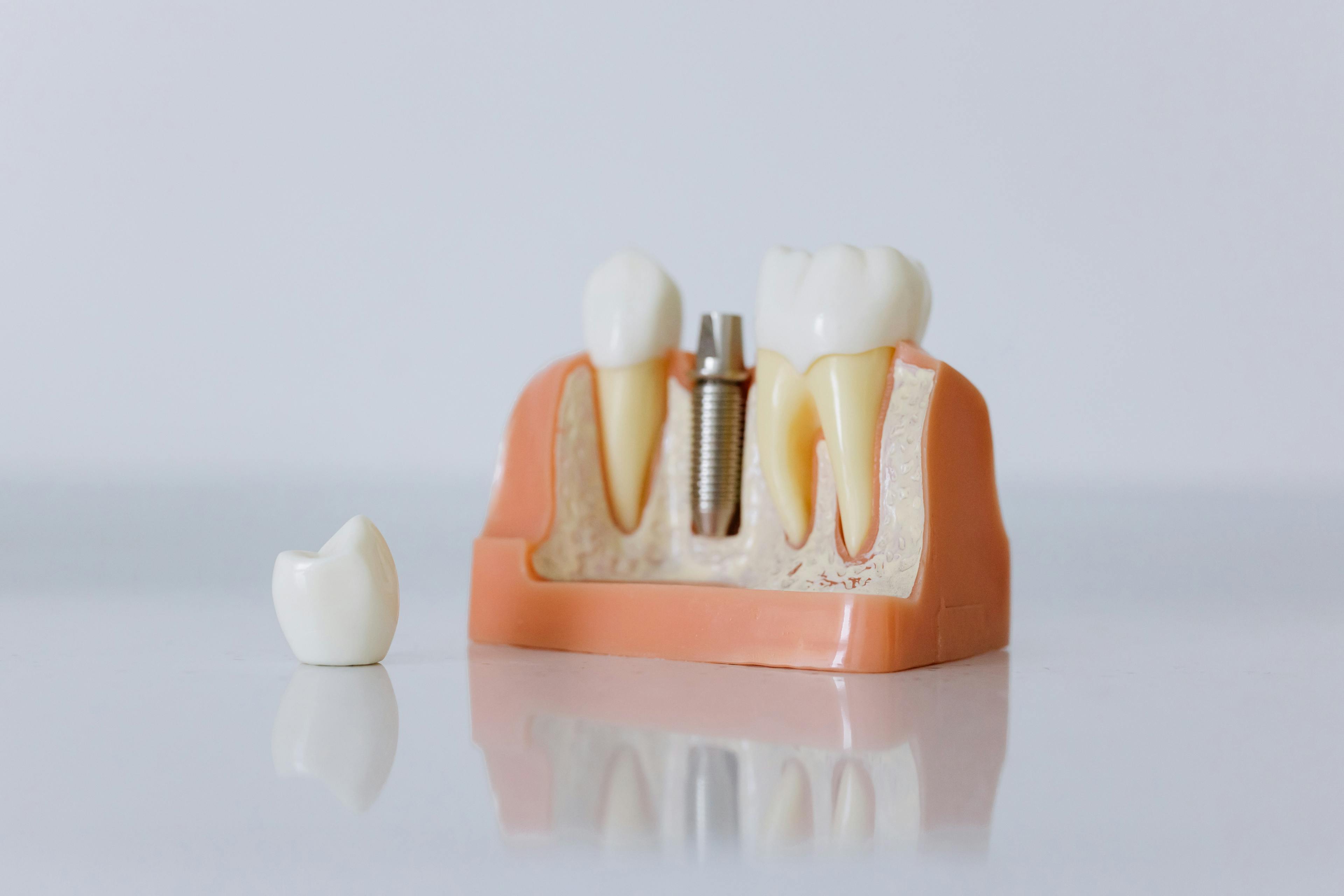
Animation provided by Consult Pro reviewing the concept of palatal implant anchorage in orthodontic treatment. Implant placement fabrication and insertion of anchorage appliance and retraction mechanics are highlighted.
Date Added:
6/29/2007
Author(s):
Maurice Salama, DMD
Dr. Maurice A. Salama completed his undergraduate studies at the State University
of New York at Binghamton in 1985, where he received his BS in Biology. Dr. Salama
r...
[read more]
Other Author(s): Consult Pro
|
|
Online Videos / Orthodontics / Other Orthodontics / Palatal Implant for Anchor
|
Questions & Comments
|
David Garber - (9/26/2010 12:10 PM)
just watched the video and can tell you this has been an extremely valuable adjunct to practice and allows clinicians the ability to make some tooth movements previously thought to be too time consuming .complex and unpredictable - - just great information that we need to be aware of and share with our referral specialist and vise versa
|
henry salama - (9/22/2010 11:26 AM)
Hi Milton, in fact some of the screws do not osseointegrate but provide "some" additional anchorage strictly through mechanical resistance or what we call primary stabilty. Many screws do integrate and provide absolute anchorage , however, and they do so for the same reasons that immediately loaded implants osseointegrate. Their interafce with the bone is not overwhelmed with excessive micromovement. If the initial orthodontic forces are light and unidirectional, NOT ROCKING TYPE, the implants will have a chance to osseointegrate and develop secondary stability.
|
Milton Clement - (9/22/2010 5:04 AM)
why do the implant screws hold if they have immediate loading?
|
bosy dog - (9/24/2009 3:48 AM)
faaaaaaaaaaaaaaantastic
|
Related Videos |
|
|
|
|
|
|
Cephalometric Diagnosis
Dr. Sperling discusses the process of cephalometric analysis in orthodontics.
| Presented By: |
Thomas Sperling, DDS |
| Presentation Style: |
Lecture |
| Community Rating: |
|
|
Watch Now>>
|
|
|
|
|
|
Related Courses |
|
|
The Role of CBCT in the Evaluation of Alveolar Bone
While traditional 2D radiography has been said to show less than 50% of the anatomy of alveolar bone, the arrival of CBCT technology for practicing orthodontists has given practitioners the ability to completely view and study this area with respect to tooth movement. An update on the related research will introduce this topic with a specific emphasis on the accuracy, application and importance of this radiological advancement followed by the presenter's own protocols for patient diagnosis and treatment methods. Case presentations will be used throughout the lecture to highlight the clinical significance of using CBCT in Orthodontics to anticipate and assess the periodontal consequences of tooth movement.
| Presented By: |
Robert L Waugh, DMD, MS |
| Presentation Style: |
Online Course |
| CE Hours: |
1 CEU (Continuing Education Unit) |
|
Watch Now>>
|
|
|
|
|
Assessment and Treatment in Dentofacial Esthetics: A Comprehensive Global Perspective
Dr. Sarver will present a different system of esthetic classification which is made up of three major components: Macroesthetics (the facial appearance), Miniesthetics (the smile) and Miniesthetics (the teeth and gingival scaffold). We will cover a systematic analysis of the face, smile, and teeth and how they interact, adding a new and rewarding dimension to your approach to treatment planning and treatment outcomes.
| Presented By: |
David M Sarver, DMD, MS |
| Presentation Style: |
Online Course |
| CE Hours: |
1 CEU (Continuing Education Unit) |
|
Watch Now>>
|
|
|
|
|
Orthodontics
A 4 part course worth 1 CEU
| Presented By: |
Michael Sonick, DMD;Sergio Rubinstein, DDS;Thomas Sperling, DDS |
| Presentation Style: |
Online Course |
| CE Hours: |
1 CEU (Continuing Education Unit) |
|
Watch Now>>
|
|
|
|
Related Articles |
|
|
The Role of Orthodontics as an Adjunct to Periodontal Therapy
Orthodontic tooth movement may be a substantial benefit to the adult periorestorative patient. Many adults who seek rout ine resto rative dentistry have problems with tooth malposition that compromise their ability to adequately clean and maintain their dentitions. If these individuals also are susceptible to periodontal disease, tooth malposition could be an exacerbating factor that could cause premature loss of spedfic teeth. Orthodontic appliances have become smaller, less noticeable, and easier…
|
|
|
|
|
Management of Complex Orthodontic Problems
Today implants are commonly used to replace missing teeth in partially edentulous adult orthodontic patients. Because these patients are missing teeth, orthodontic mechanics may be complicated or often impossible because of insufficient anchorage. In these situations, it may be feasible to use the implant initially as an orthodontic anchor to facilitate complex tooth movement and secondarily as an abutment for a crown or fixed prosthesis. This article will discuss the ramifications and requirements…
|
|
|
|