Video Details
|
The Relevance of Tissue Form, Color and Thickness on Anterior Implant Esthetics - Part 1 of 2
Description:
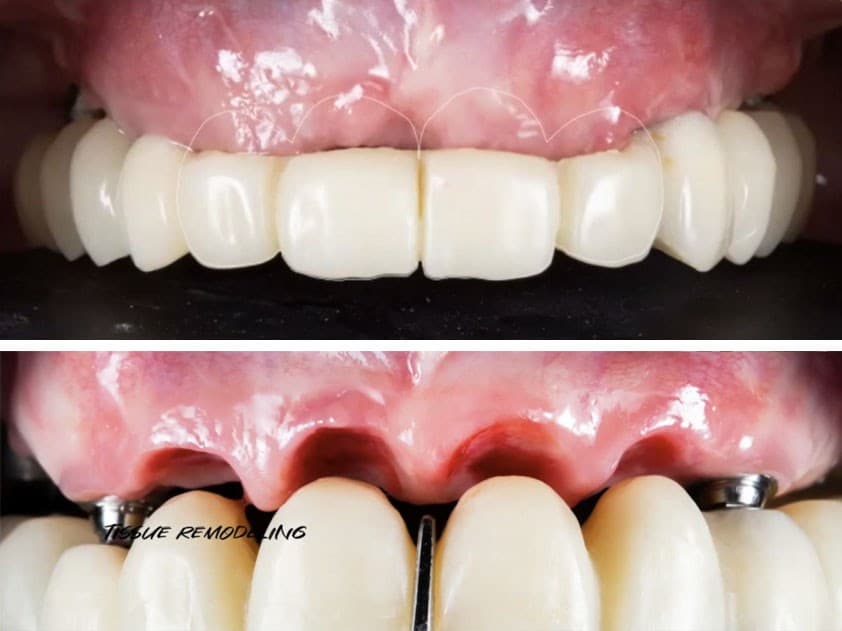
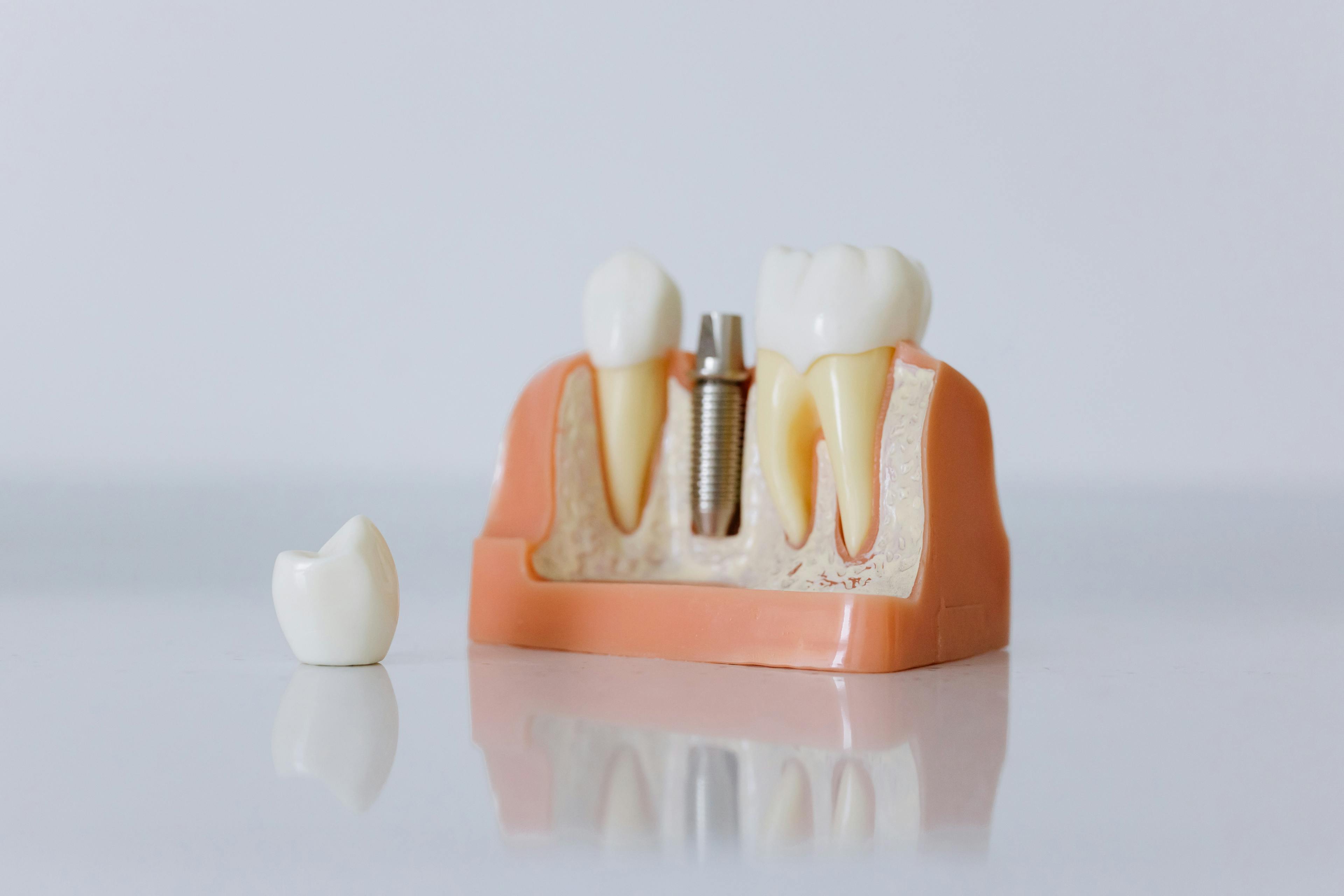
The process of tooth extractions sets up a cascade of bone remodeling events in the socket that results in not only collapse of the buccal wall, but also a thinning of the esthetically relevant soft tissues. The decision of whether to immediately place an implant into this socket or to bone graft and stage the procedure is a multifaceted one. Factors that might impact the final esthetic outcome include the placement of a bone graft, the placement of an implant supported provisional, and whether a soft tissue graft was included in the treatment. These esthetic outcomes are now being specifically, quantified as to form, color, and thickness, to evaluate and potentially increase the predictability of different approaches. This presentation will address some of these aspects involved in the Esthetic Implant Restoration and present the initial findings of a multicentre research study.
Date Added:
11/22/2011
Author(s):
David Garber, DMD
Dr.
David Garber has a dual appointment at the Medical College
of Georgia School of Dentistry, in Augusta Georgia, as Clinic...
[read more]
Stephen J. Chu, DMD, MSD, CDT
Dr. Stephen Chu received his doctoral degree from the University of Pennsylvania School of Dental Medicine in 1984 and his master’s degree in restorative dentistry and ...
[read more]
|
|
Online Videos / Surgery / Implant / The Relevance of Tissue Form, Color and Thickness on Anterior Implant Esthetics - Part 1 of 2
|
Questions & Comments
|
DR.AYMAN SAKER960 - (1/8/2013 3:10 AM)
Thank you so much ... I just loved your presentation and happy new year :)
|
Tyler Binner - (1/17/2012 5:34 PM)
Thank you Team Atlanta and Team NY!
|
Band Ditto64 - (11/15/2011 9:04 PM)
Just excellent information on how the bone and ridge remodel after implant placement and what can be done to manage it. Thank you Steven
|
Related Courses |
|
|
Cad Cam Technologies to Restore a Case on Natural Dentition & Implant
Dr Agnini will describe various clinical options and techniques for efficiently and esthetically fabricating a temporary restoration immediately after implant placement in the replacement of a single tooth.
| Presented By: |
Alessandro Agnini, DMD;Andrea Mastrorosa Agnini, DDS;Luca Dondi |
| Presentation Style: |
Online Course |
| CE Hours: |
1 CEU (Continuing Education Unit) |
|
Watch Now>>
|
|
|
|
|
|
Related Articles |
|
|
Immediate Loading of Osseotitie Implants-After 4 months
A growing number of clinical reports show that early and immediate loading of endosseous implants may lead to predictable osseointegration; however, these studies provide mostly short- to mid-term results based only on clinical mobility and radiographic observation. Other methods are needed to detect the possible presence of a thin fibrous interposition of tissue that could increase in the course of time and lead to clinical mobility. A histologic evaluation was performed on two immediately loaded…
| Author(s): |
Tiziano Testori, MD, DDS, FICD;Serge Szmukler-Moncler, DDS, Luca Francetti, MD DDS, Massimo Del Fabbra, BSc, PhD, Antonio Scarano, DDS, Adriano Piattelli, MD, DDS, Robert L. Weinstein, MD, DDS |
|
View Article>>
|
|
|
|
|
Implant Prosthodontic Procedures for a Completely Edentulous Patient with a Cleft Palate
Cleft lip and palate maxillofacial prosthodontics is evolving and re-defining treatment approaches via the use of dental implants. A case report is presented demonstrating the use of the sinus lift procedure originally described by Tatum, the placement of osseointegrated root-form implants, and an implant-supported and -retained maxillofacial prosthesis.
| Author(s): |
Lee H. Silverstein, DDS, MS, FACD, FICD;Michael D. Lefkove, DDS, Bill Matheny, CDT |
|
View Article>>
|
|
|
|
|
Optimizing Anterior Esthetics with Immediate Implant Placement and a Fixed Provisional Restoration
Implant placement immediately after tooth extraction, followed by an immediate provisional restoration of a single dental implant, provides significant benefits compared with traditional delayed protocols. Patients are not burdened with cumbersome removable interim prostheses, osseous anatomy may be preserved, sulcular form is optimized before definitive restoration, soft tissue has matured before implant integration, fewer surgical interventions are required, and treatment time is accelerated.…
|
|
|
|